From: £2,892
From: $3,850
On arrival at Salta airport you are transferred to your hotel. Depending on your arrival time, the remainder of the day may be spent exploring Salta.
The main plaza is a lovely place to while away some time over a coffee, or you can visit some of the beautiful churches, head to a nearby viewpoint or the bustling market.
We depart early – there’s a lot to fit in today.
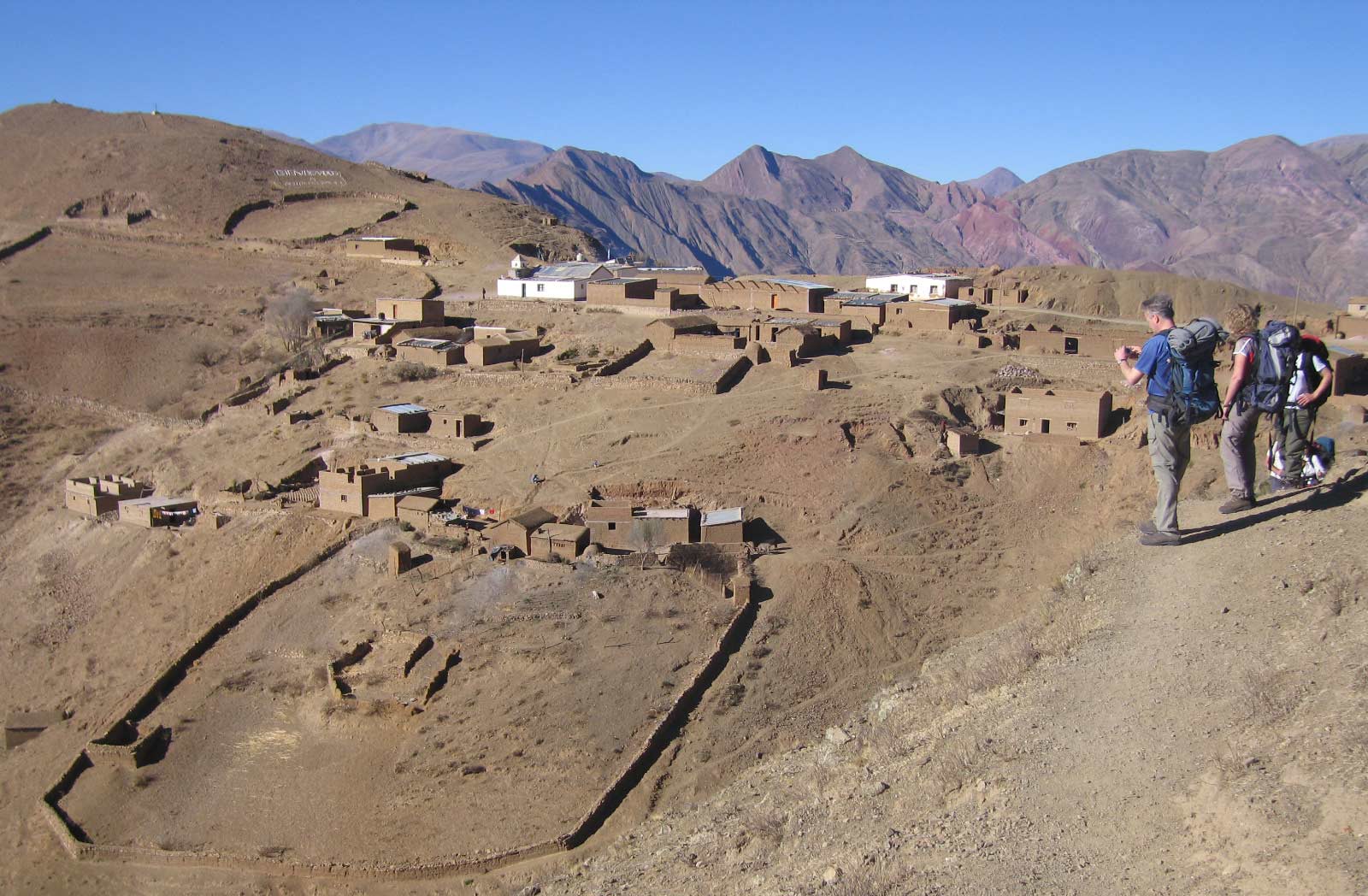
En route to Campo Quijano, we drive stop at Rosa de Tastil, which has some impressive ruins. We continue to climb high into the Andes, the air becoming thinner. As we reach 4,000m/13,123ft above sea level, we will stop at San Antonio de los Cobres, a typical high Andean town.
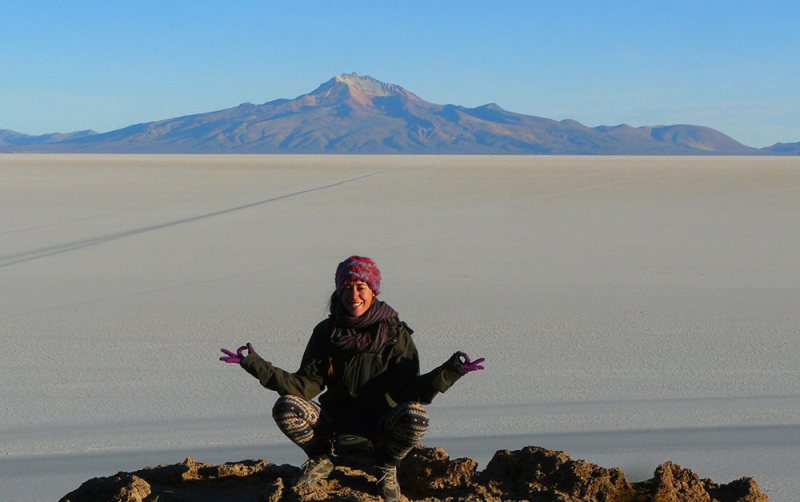
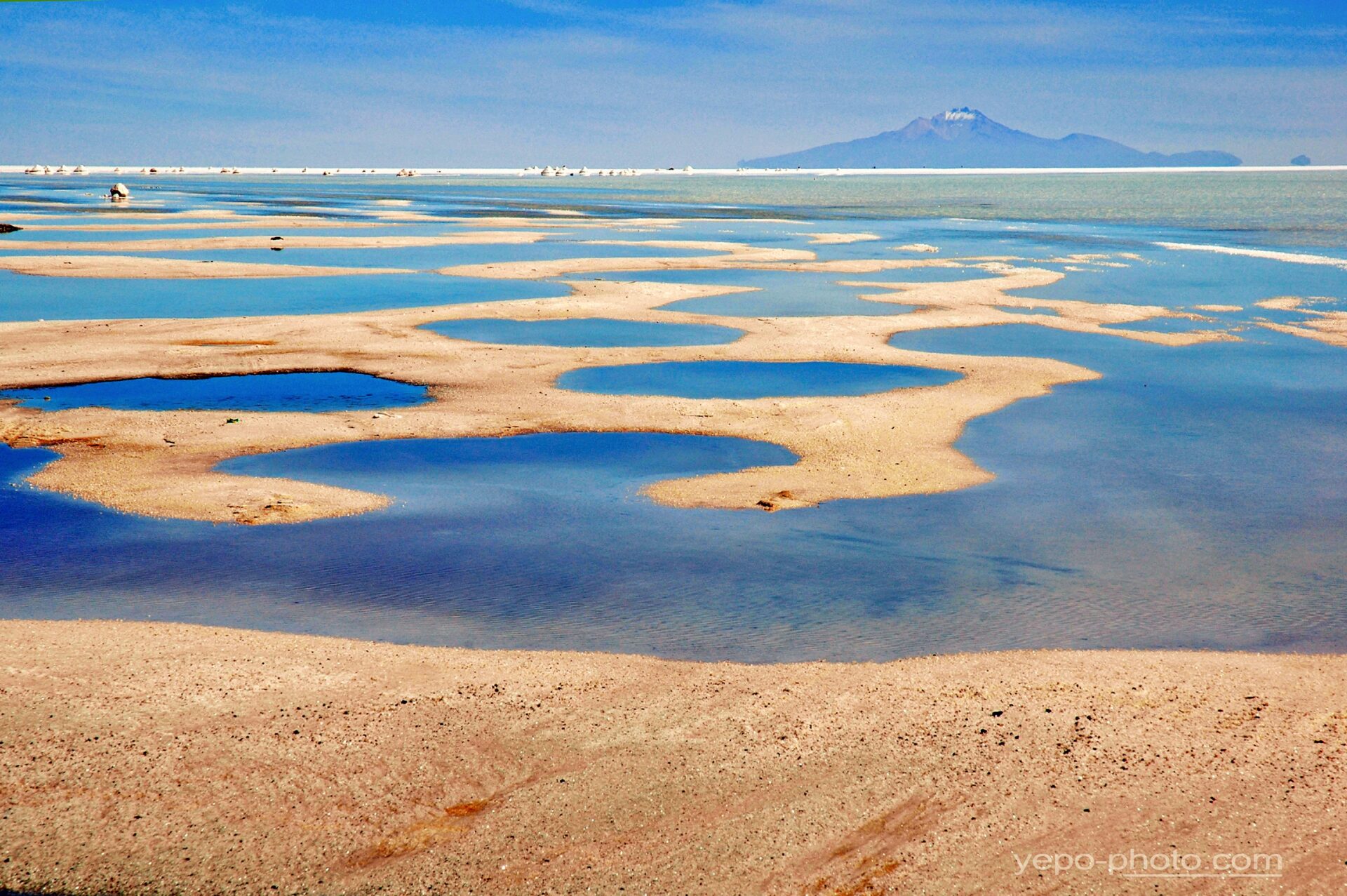
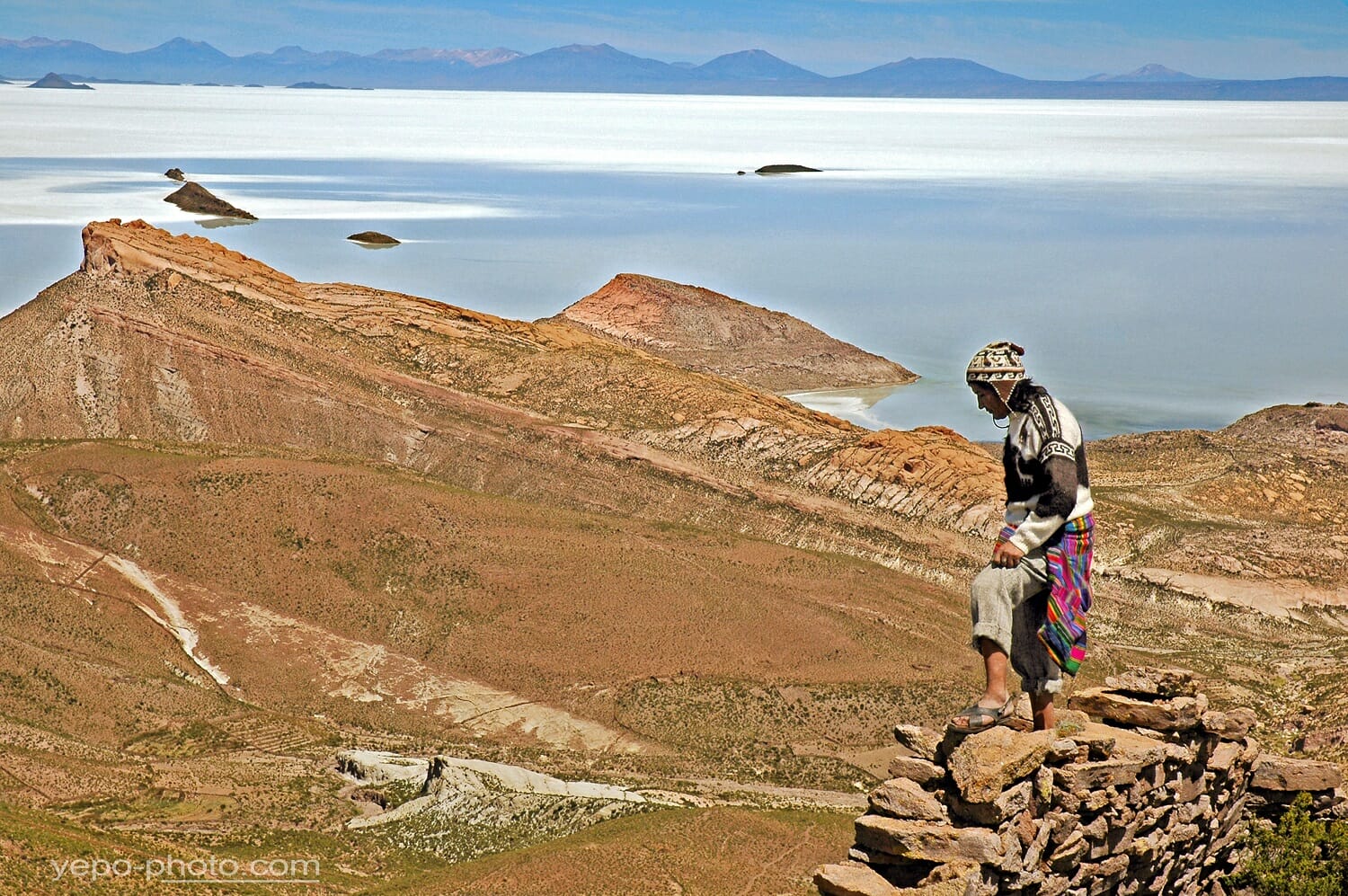
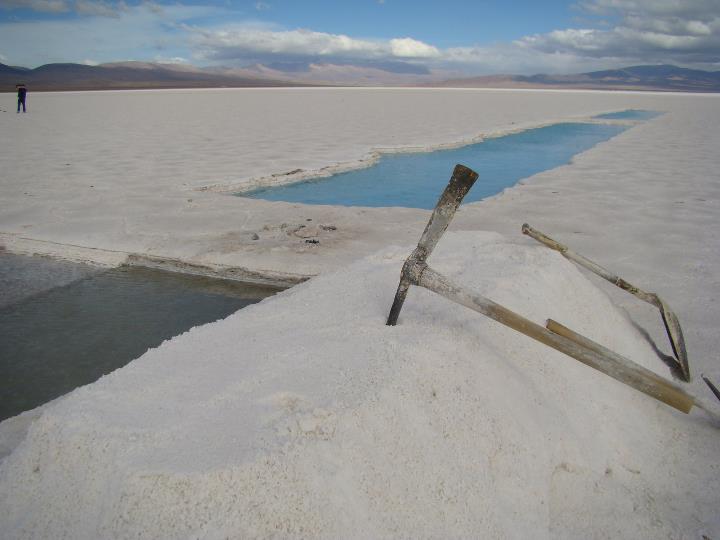
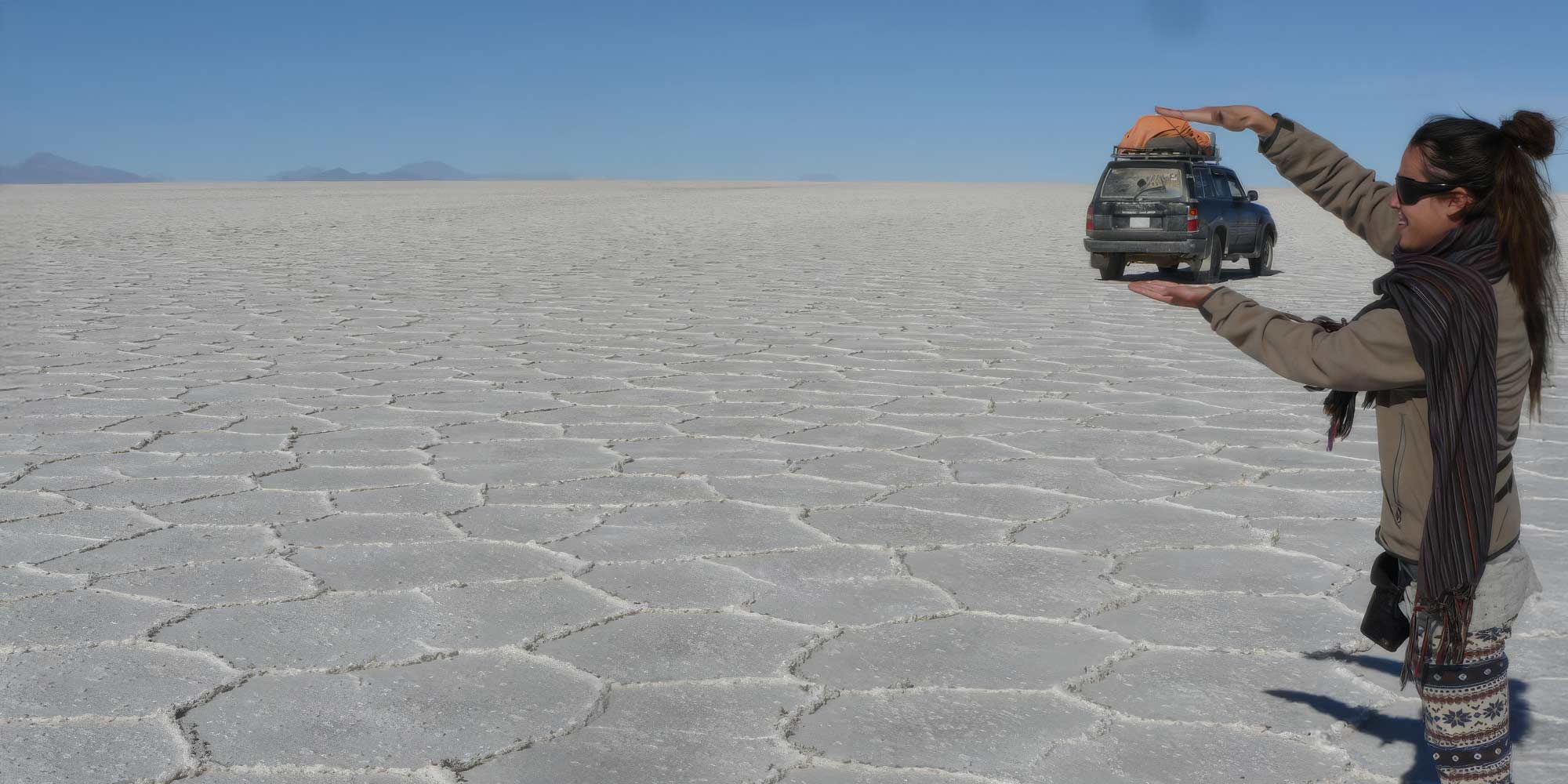
This is an acclimatisation day, and you’ll need to take it slowly as we make it to the amazing Salinas Grandes, a huge salt lake from which the locals harvest the salt. Your guide explains the process and there will be chances to buy some local crafts sculpted from the salt.
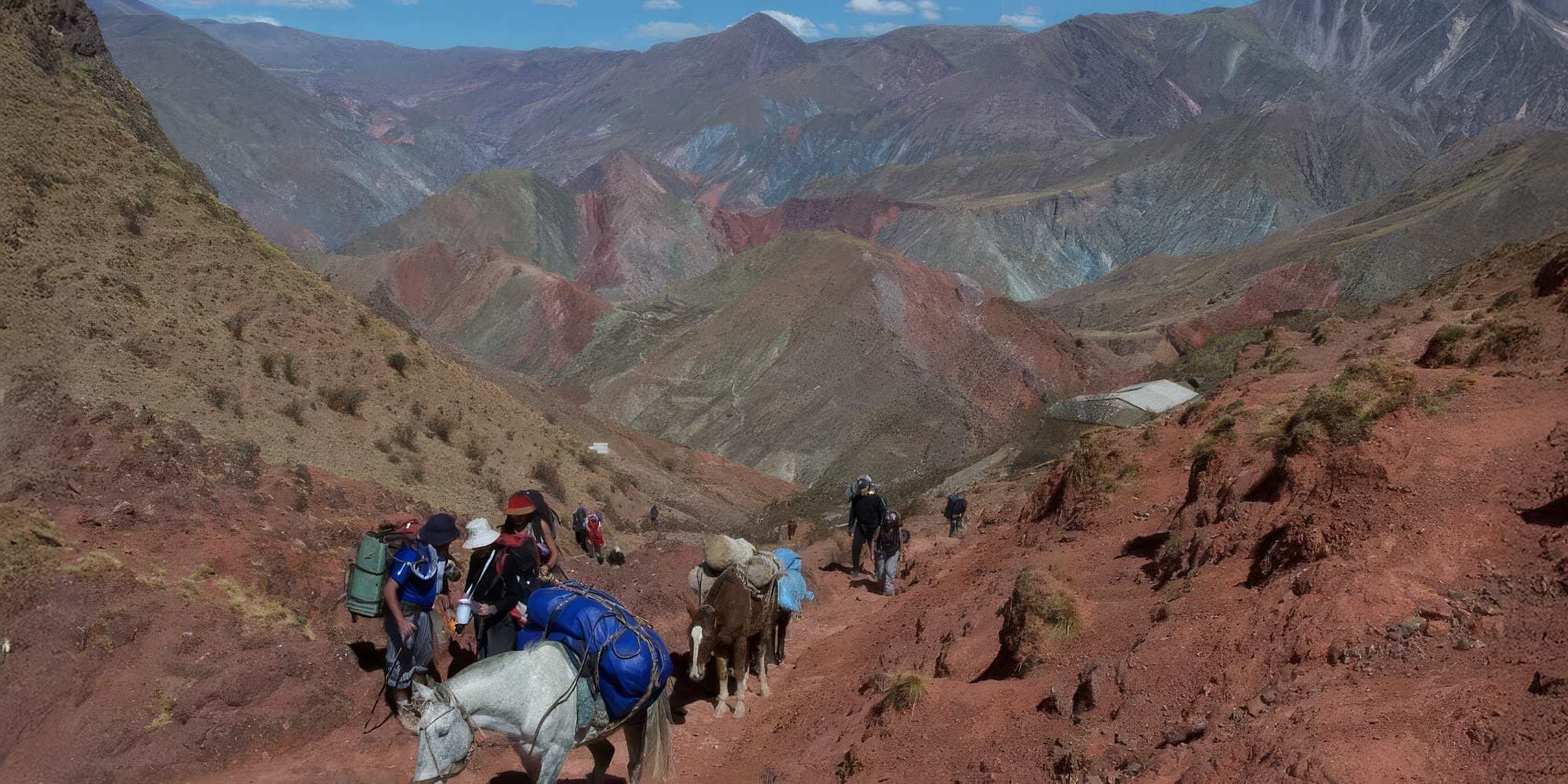
Back in the van, we drive to Pumamarca and its famous rainbow coloured rocks – the mountain of seven colours. A great photo opportunity. We round the day off by heading to Tilcara and our hosteria for the night.
If there is time before sunset, you can explore the ruins at the gateway to the town.
We have the morning free to explore the town of Tilcara. Attractions include La Plaza Grande, La Plaza Chica, the church – and the Pucará de Tilcara ruins if you didn’t have time to visit the previous evening.
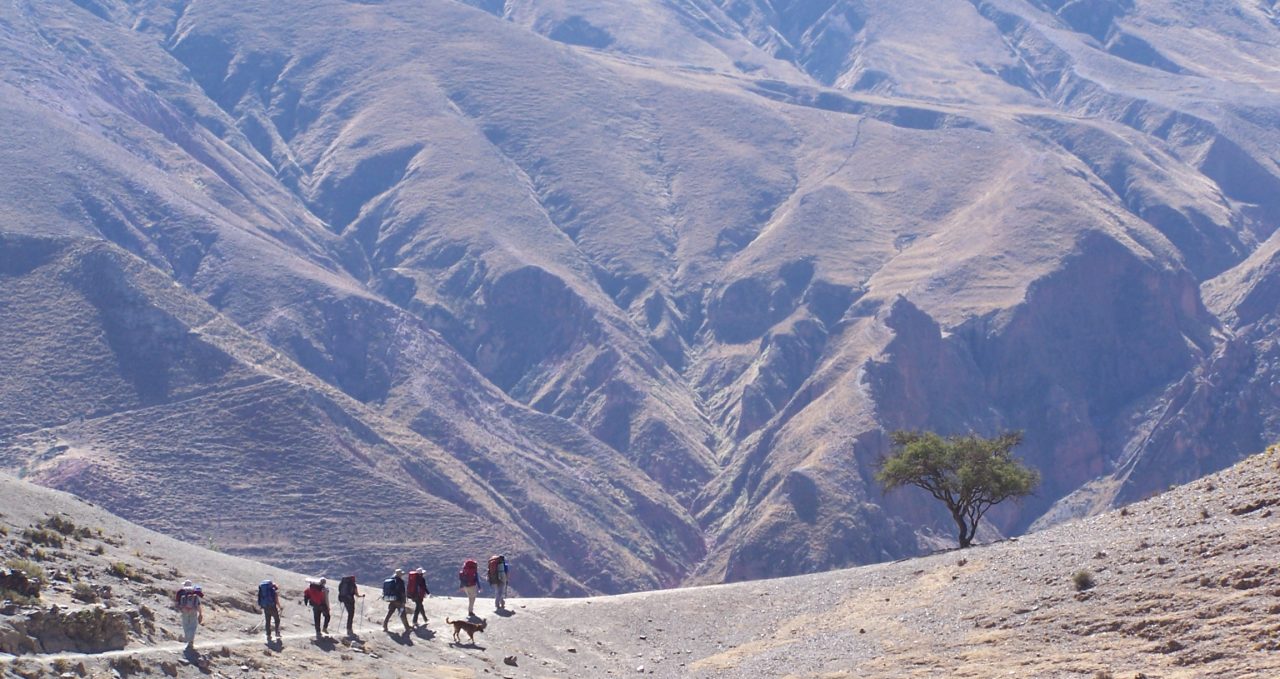
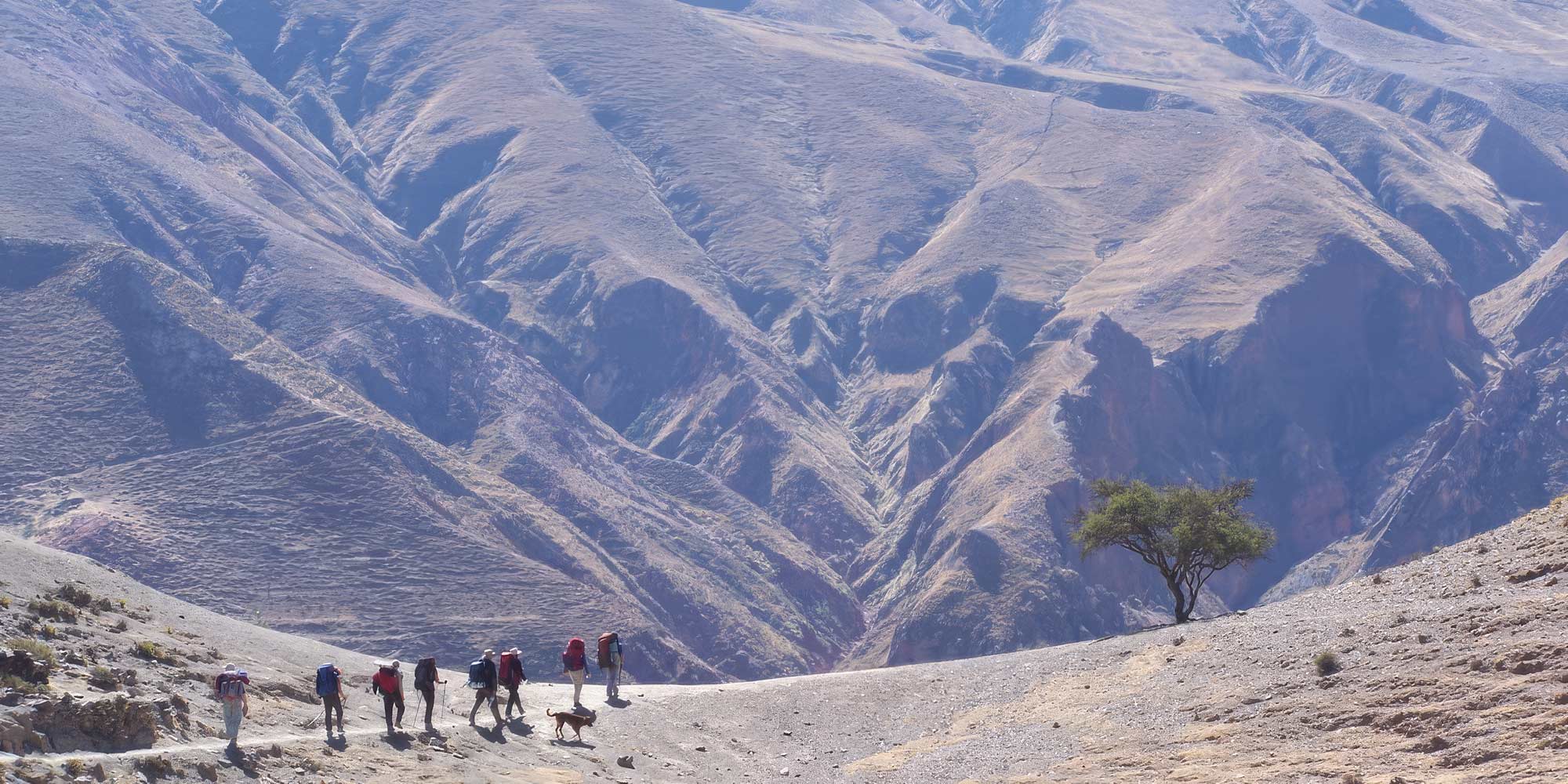
In the afternoon we stretch the legs with a short walk to the Devil’s Throat. From Tilcara, we pick up a path and walking along an old Kolla path to an outstanding viewpoint. We can walk for 2-4 hours, depending on your pace and desires.
We return to our hosteria for the night.
As the sun rises and quickly warms Tilcara, we join the locals and hop on the bus to Iruya.
This feels like a timeless town. The small church perches at the end of tiny cobbled streets, overlooking the river and valley below. This is a quiet town, and we will help you make the most of your time here, exploring the nooks and crannies.
We push on to Humahuaca where we spend the night at a hosteria.
After breakfast in Humahuaca, we take a bus to the small town of Uquía.
We visit the church of San Francisco de Paula. Its altar was laminated in gold by the Jesuits in 1691 – the year in which the church was built – and its interior is adorned with the pictures of the brought ‘arcabuceros angels’, which were brought to La Quiaca from Cuzco.
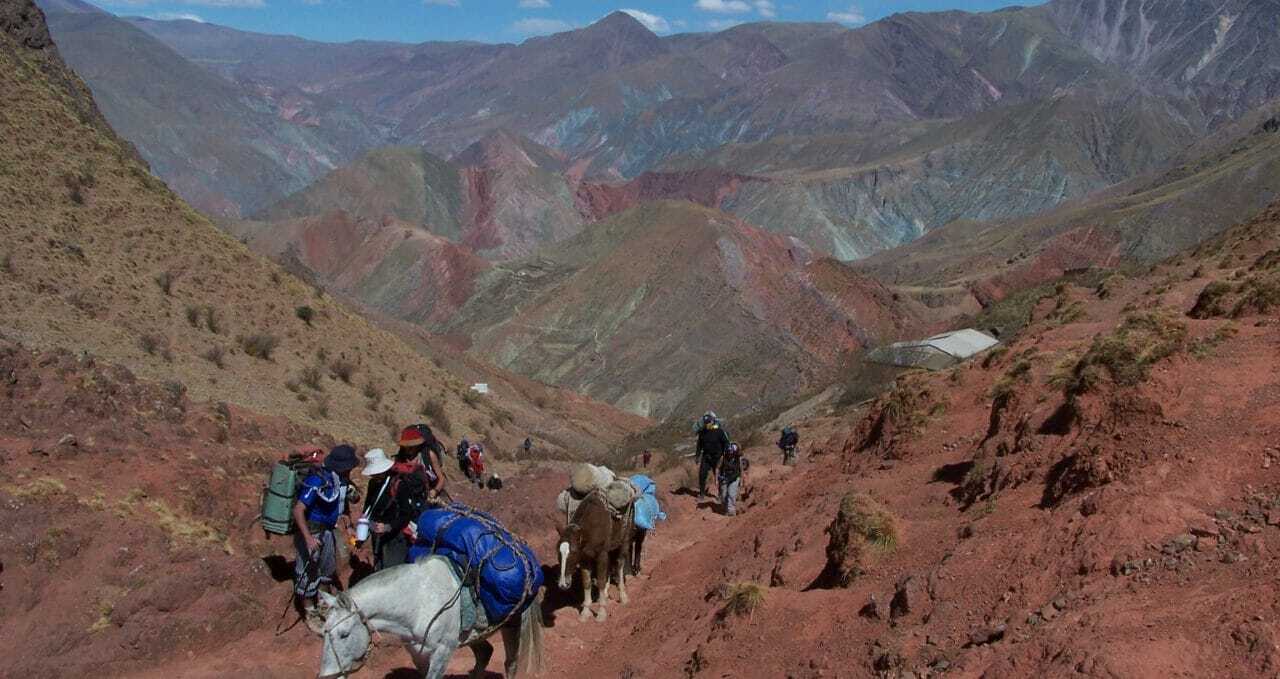
Time for a quick leg stretch on a lovely walk through some stunningly coloured rocks. We are heading to La Quebrada de las Señoritas o Yacoraite, where the intense red rock formations form homes for some amazing fossils.
This area is well known for its historical remains. Remains of some of the last great mammals that inhabited the Earth, like milodon, a giant sloth-type creature, can be found here.
Back in Uquía, we head to a farm where vicuñas are raised and an old hydraulic mill to get an idea of how people worked and survived in this region.
We return to our hosteria at Humahuaca.
Leaving Humahuaca, we cross “Peña Blanca”, on the eastern border of the Quebrada of Humahuaca.
Here we begin our tour of the ‘colourful towns and quebradas’ of this region. The enormous plains of the Cocataca Valley were once one of the main Inca agricultural sites. After walking around the valley, we take our lunch in a homely restaurant.
The afternoon is spent walking for 2-3 hours, looking at ancient paintings on the rocks on Cerro Negro. As well as the paintings, from here the views are spectacular, looking down and over the valley.
Our explorations continue in the vehicle, as we climb to 4,200m, passing through the towns of Valiaso and Pucará, until we reach the Serrania of Santa Barbara (Santa Barbara Hills). Last stop is the viewpoint at Cerro Horconal, with beautiful views over the Abra de Zenta (plains), before we get back to our hosteria for 19.00 (approx).
This morning we climb into our minibus and head to the Quebrada de Sapagua.
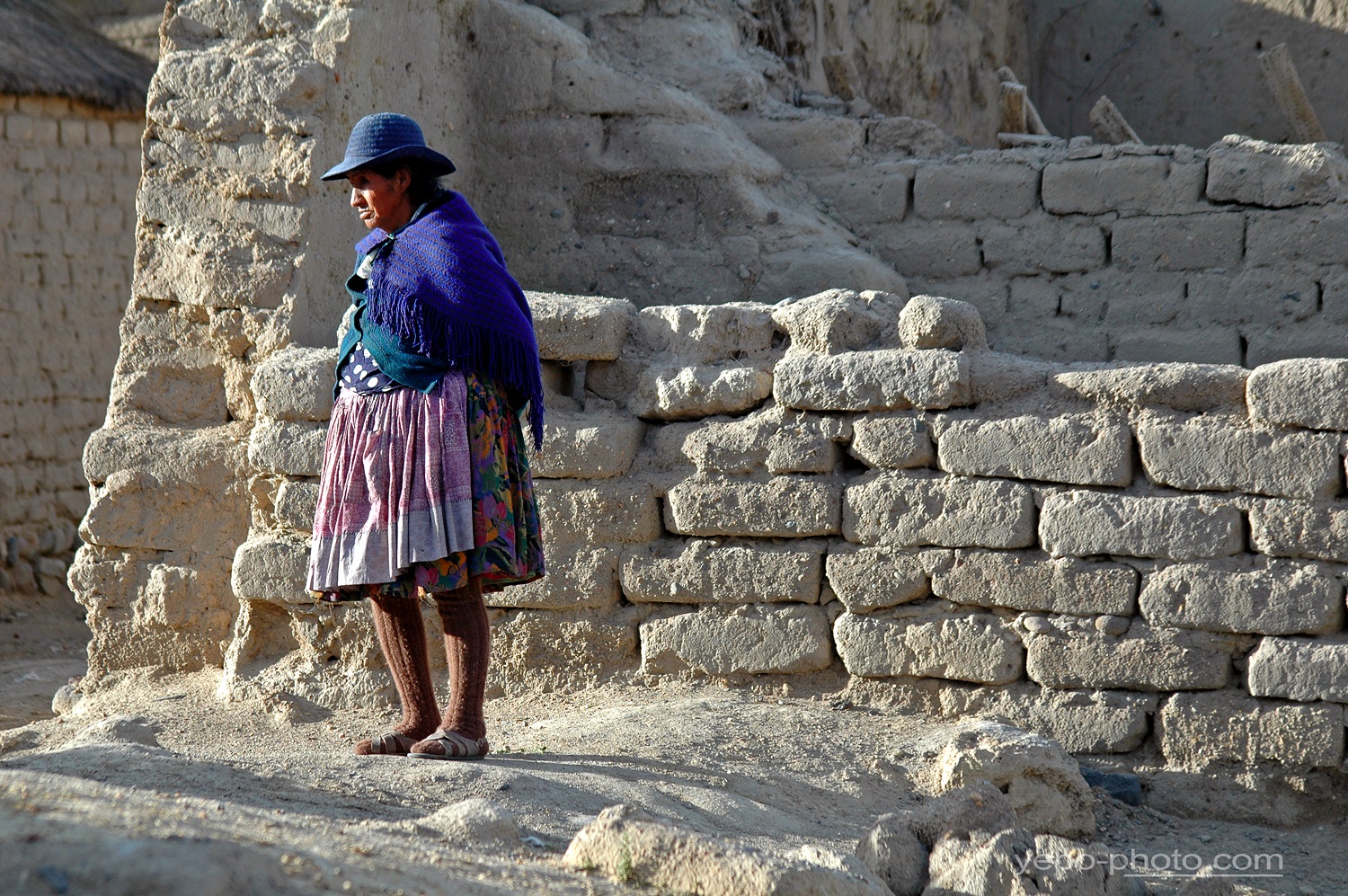
After exploring the area, we continue to the small community of the Hornaditas. A local family opens the door of their home to us, and we can get a taste of life in the region.
Our final destination is the hosteria in Humahuaca, where the evening is free to explore.
We wake early and head to the Bolivian border at La Quiaca, the northernmost corner of Argentina.
We cross the border, and head to Villazon and its train station to catch the service to Uyuni, the gateway to the Salar de Uyuni. We spend the night here, in a hosteria.
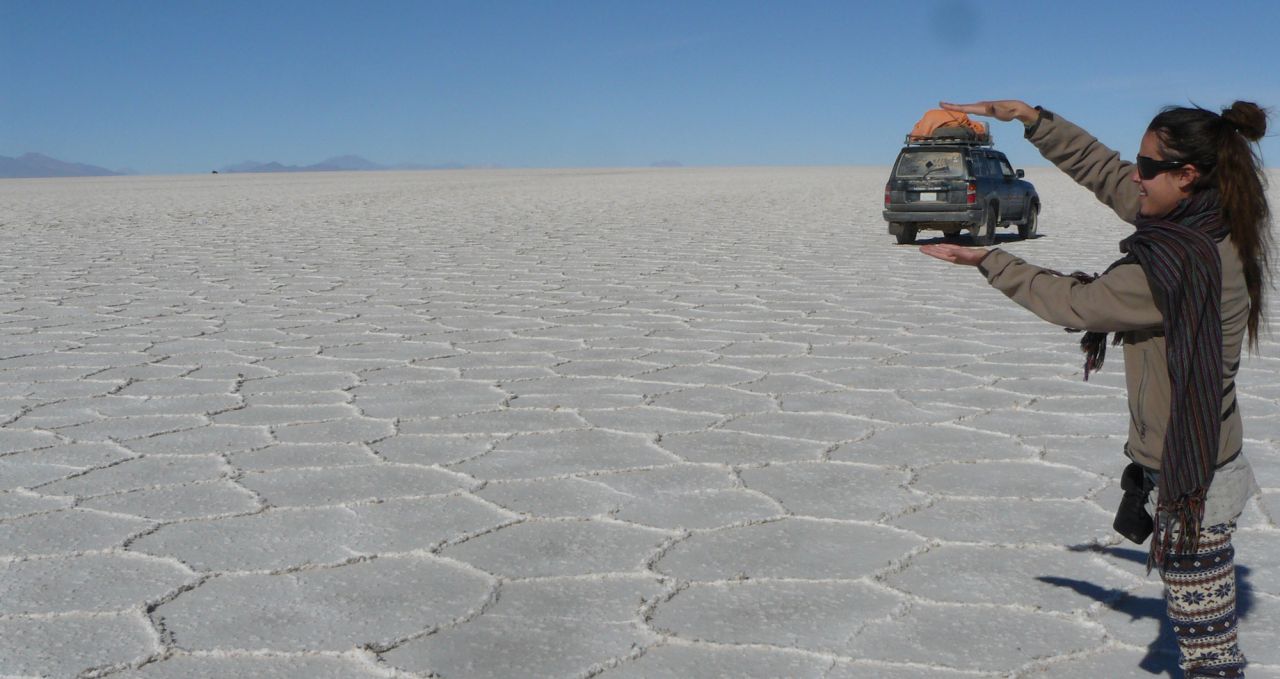
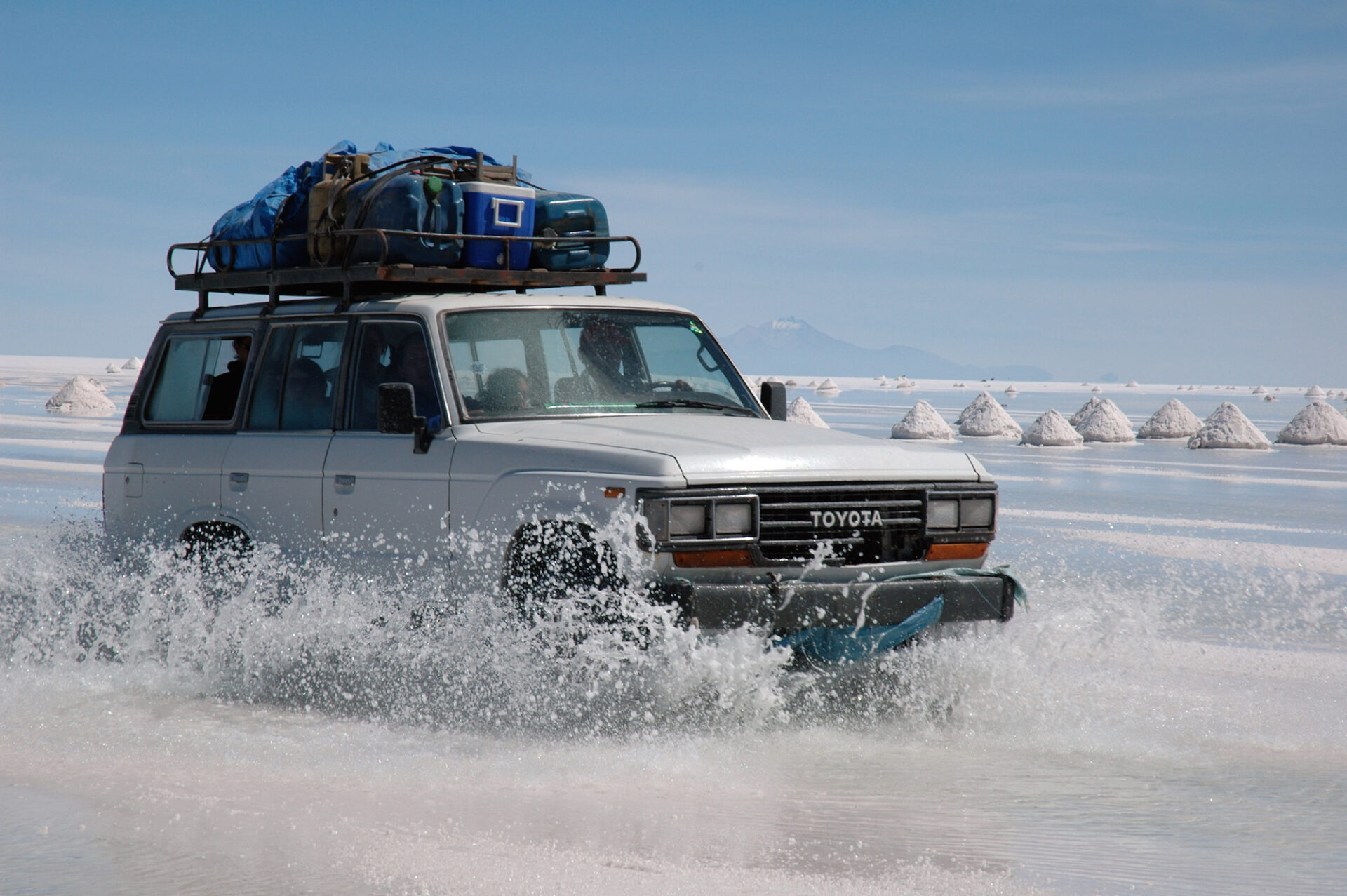
We leave Uyuni at about 11.00 and head north, 20km or so, to Colchani. This small village exists only because of the exploitation and refinery of the salt.
We walk through the town, seeing how the salt is extracted, visiting the craft stores and salt hotels.
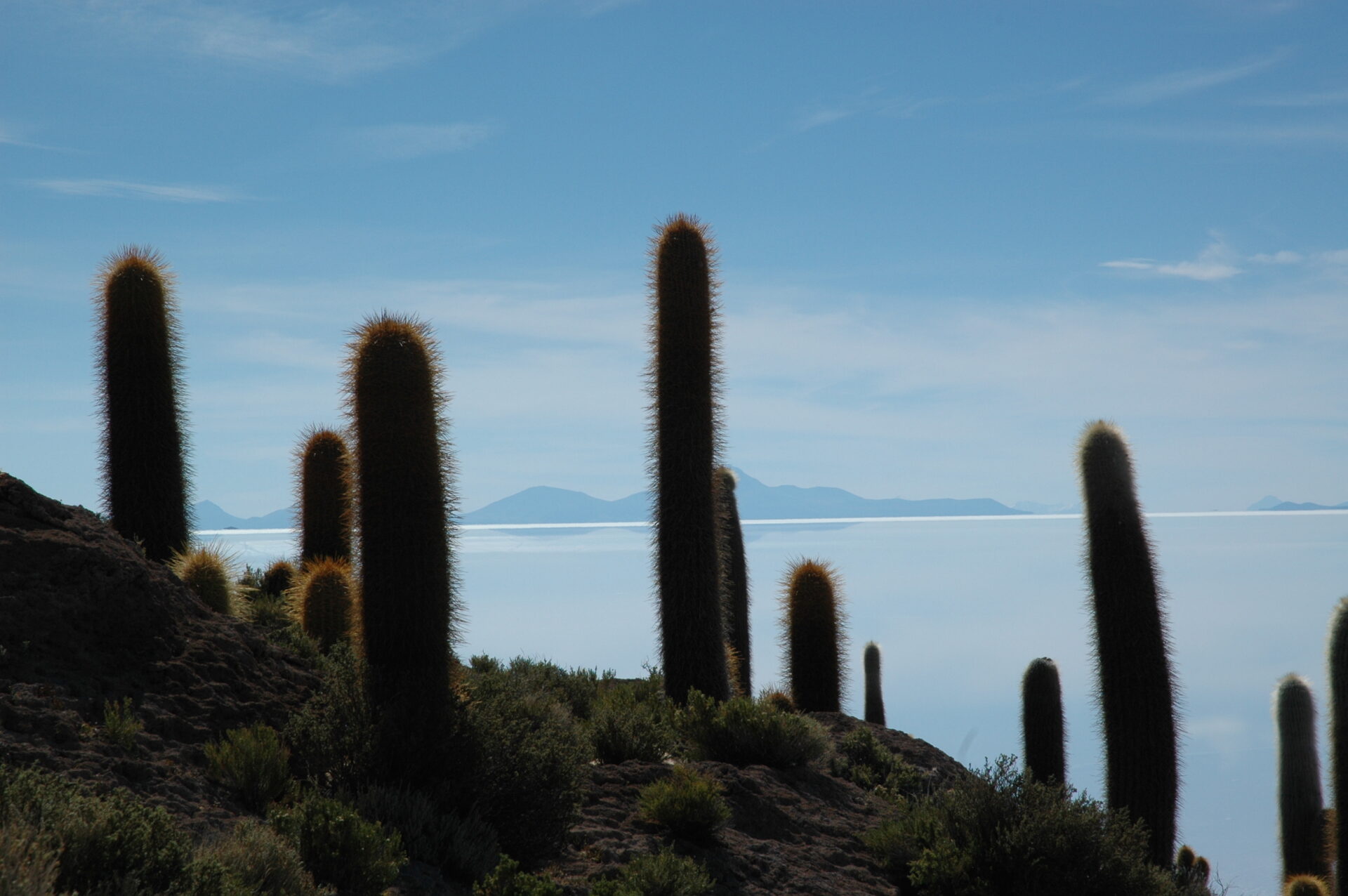
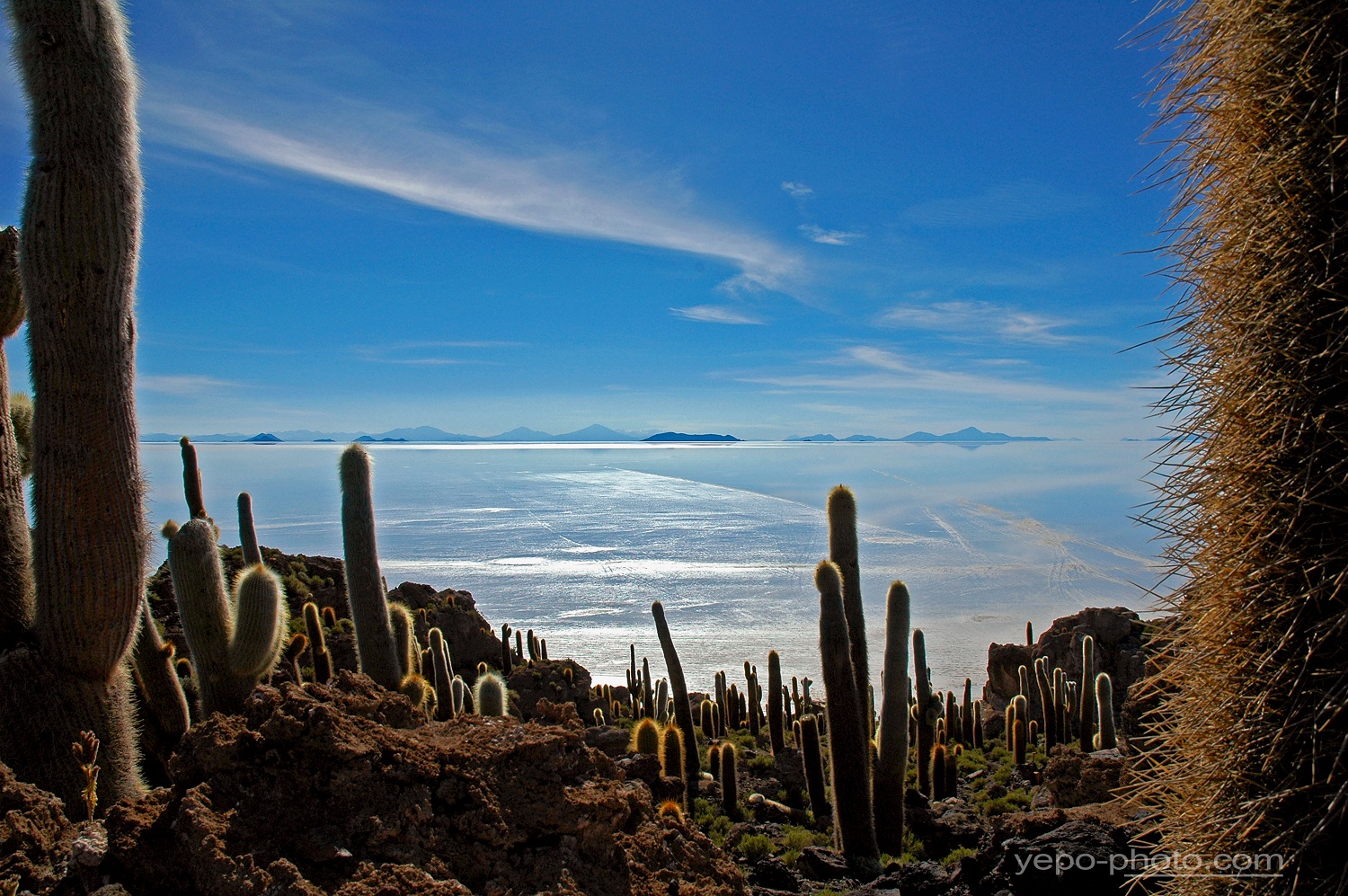
We head to the Isla Lomo Pescado, where we can spot enormous cacti and get an outstanding panoramic.
Here, we have our lunch and then continue walking to Chuvica, where we spend the night in a basic and rustic refuge.
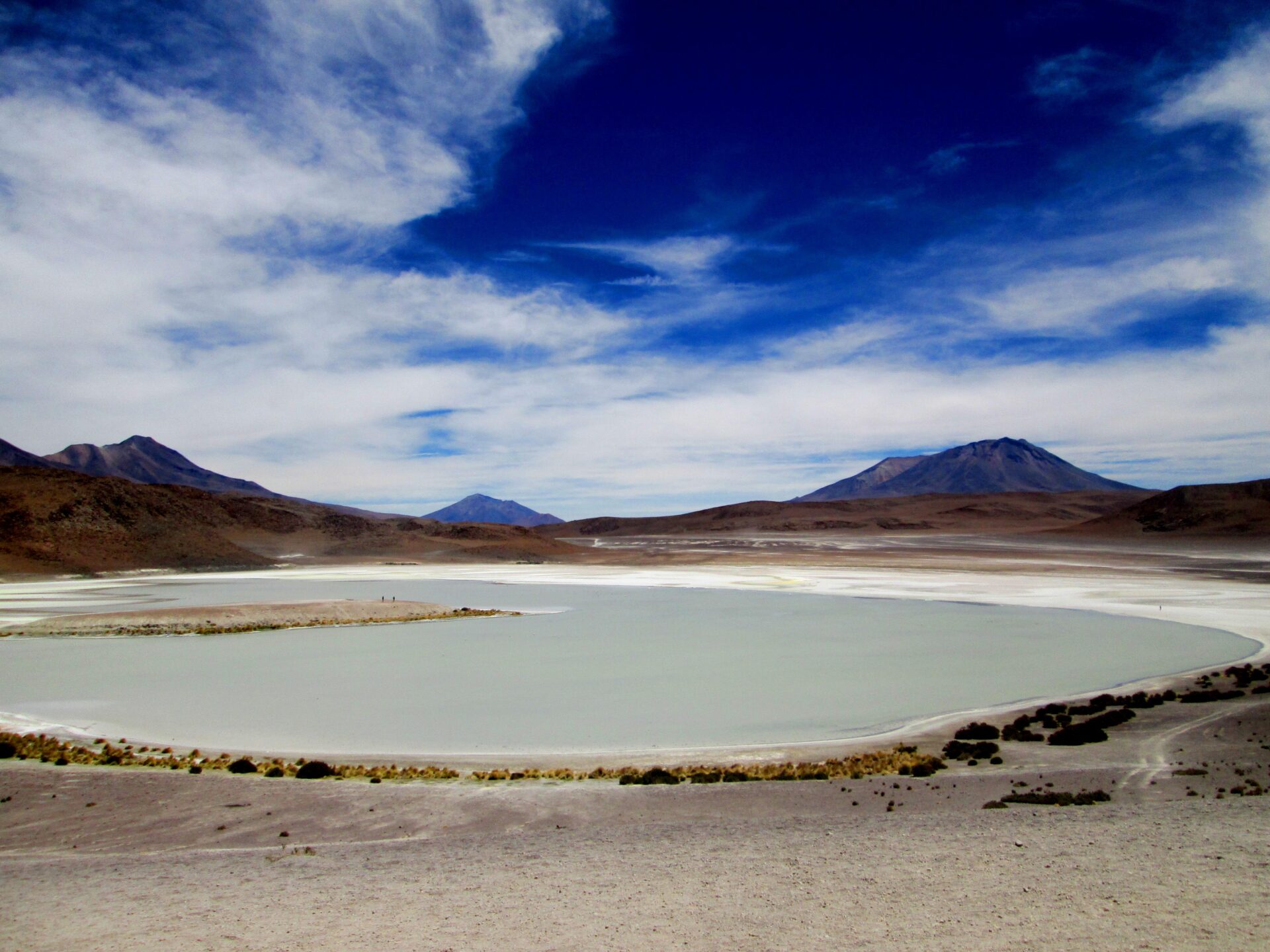
After breakfast we visit the amazing lagoons of the Salar: Cañapa, Hedionda and Ramadita.
We continue through the desert of Siloli to see the Tree of Stone – an enormous rock carved into an outlandish shape by the winds that can whip through the area.
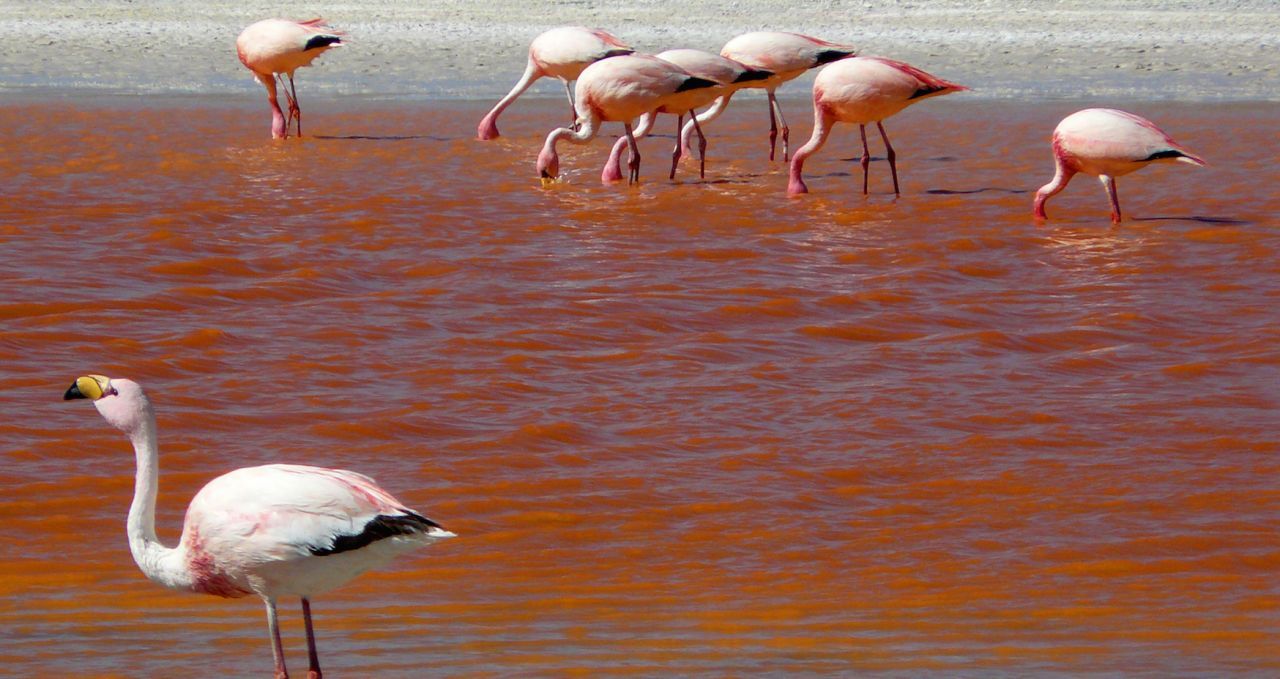
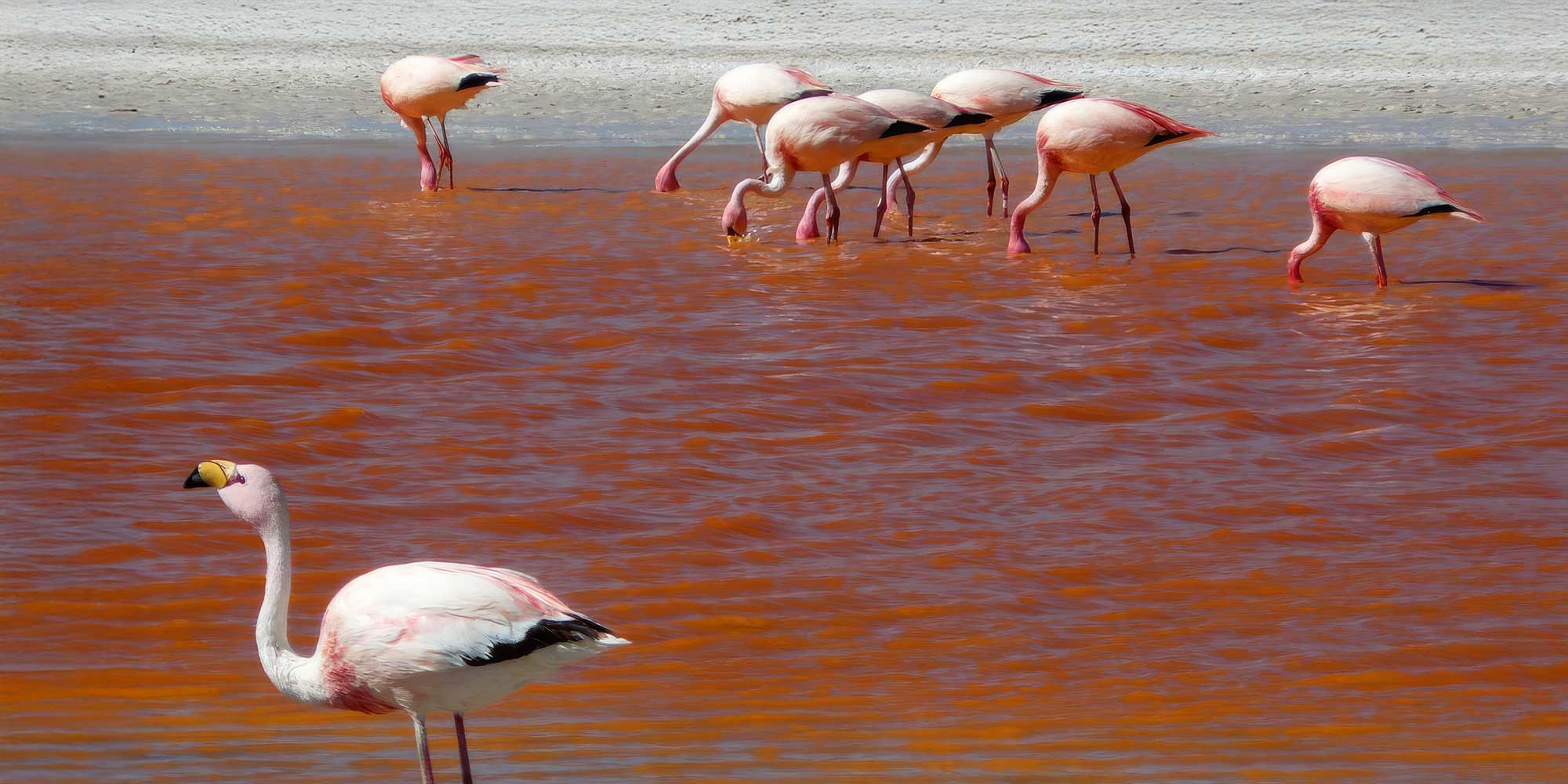
Next up is Laguna Colorada where we may be lucky to see some pink flamingos and other Andean fauna such as vicuña, suri or andean ñandú.
After a great day on the Salar, we spend the night at another basic refuge.
An early start today – up at 05.00.
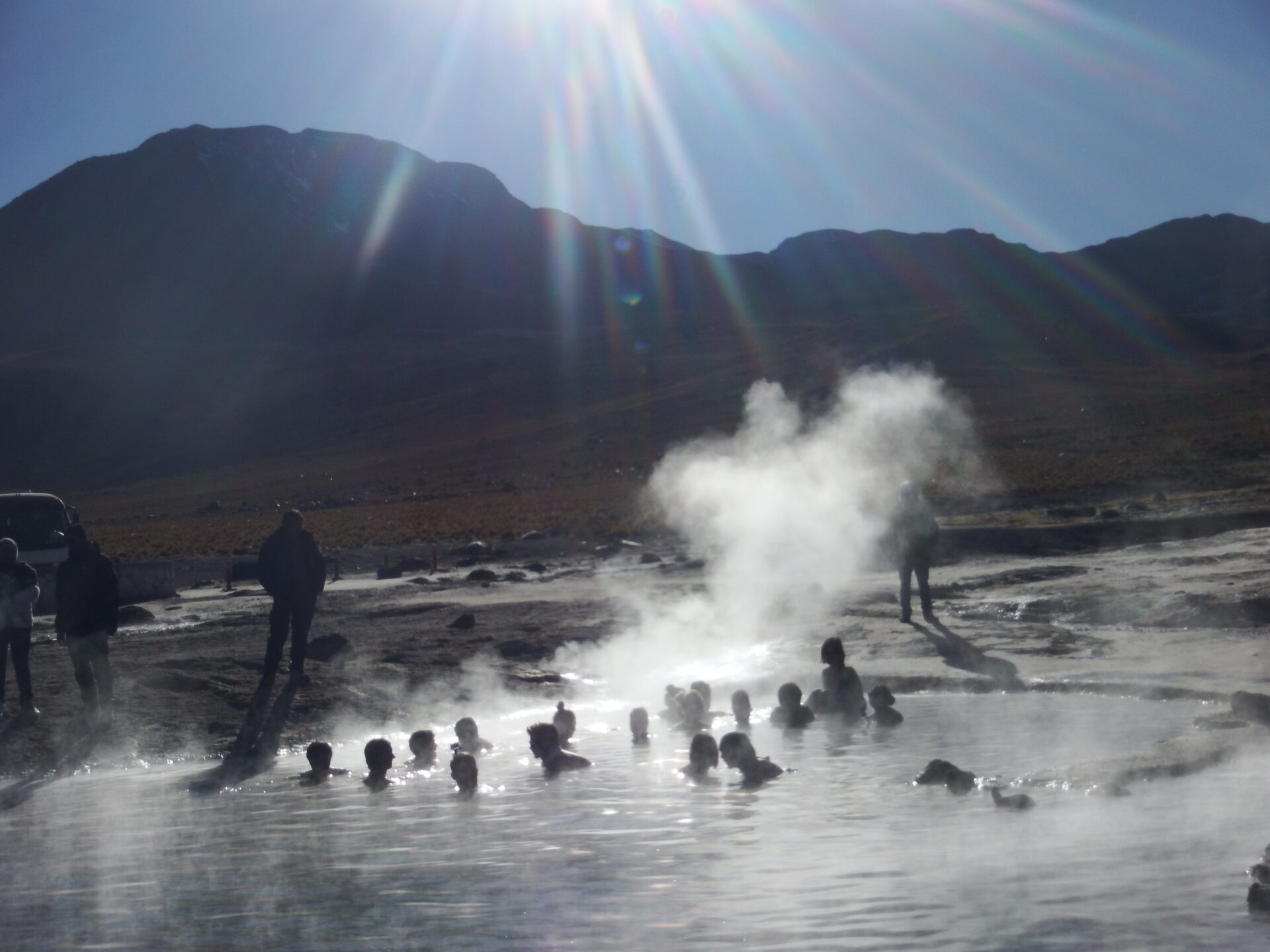
We want to get to the Geysers early so we can see the impressive display of volcanic steam spewing from the earth, and see the thermal waters. The rock formations in this region are outstanding, formed by thousands of years of erosion.
The early start means we can reach Laguna Verde by 11.00. This lagoon is famed for the way it changes colour between 11.00 and 12.00, and we aim to be there for that display.
Our last sight is Laguna Blanca, after which we cross the border to Chile.
We have a new vehicle waiting for us in Chile, and we had to San Pedro de Atacama, the desert town and we head to our hosteria
Today we float in salty lakes!
We visit two lagoons in the northern sector of the Atacama salt flats, some 30km away from San Pedro de Atacama.
The first lagoon we encounter is Laguna Cejar, with its intense emerald colour and borders crystallized by salt. Here you can jump in and enjoy the levitating effect of the salt-rich water, which makes you float easily – a very relaxing experience.
After the float-athon, we reach Tebinquinche lagoon. Here we can see some flamingos, foxes and a variety of birds.
We return to our hosteria at San Pedro de Atacama.
A chance to stretch the legs today. We aim to walk up Las Cornisas (Cornices), which takes us to the highest part of the salt mountain chain.
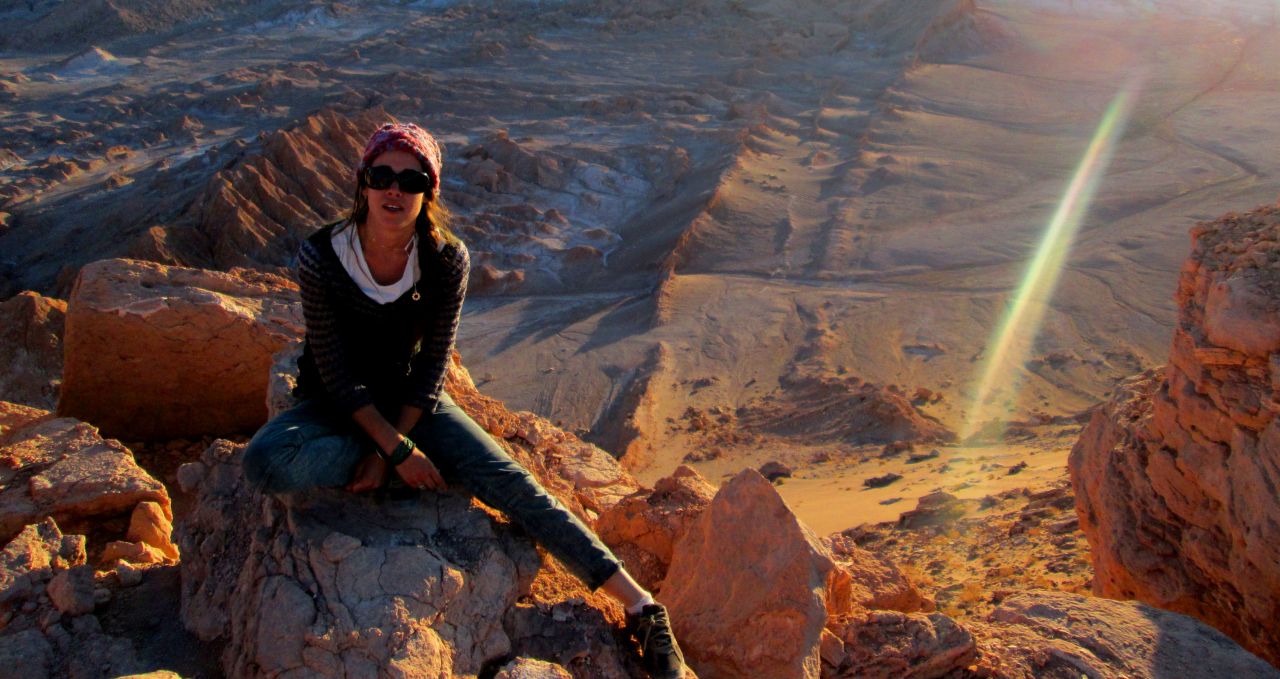
We drive to the starting point, the old tunnel to Calama, built in 1930. We start at the Catarpe Valley, going up to the salt mountain to some outstanding viewpoints – you can appreciate the magnitude of Salar de Atacama, San Pedro de Atacama and the Andes.
After the half day trek (3-4 hours), we return to San Pedro de Atacama for some free time. Hosteria
Early in the morning we say goodbye to San Pedro de Atacama and take a public bus across the Andes and enter Argentina.
This a stunning trip over Paso de Jama (at 4,200m/13,780ft) until we reach Salta once more, and our hosteria.
After breakfast you are taken to the airport / bus staion, or you can extend your trip.
We use hostal type accommodation in towns and cities, with hot showers and private bathrooms. Some hostals have shared bathrooms.
Salar de Uyuni – we use hotels made of salt with private rooms and bathrooms – these are more basic.
There is no strenuous activity, but much of this tour takes place at high altitude.
We build in acclimatisation and the fitter you are, the more you will enjoy the trip. Several days involve half or full day tours and so you need to be comfortable with being on your feet and walking around for several hours.
There are some 4-6 hour overland journeys.
Vegetarians and many other dietary requirements are catered for without problems. Please let us know in advance of any requirements you have.
In Argentina, red wine, BBQs, meat and pizzas/pasta feature heavily in restaurants. Food and drink culture here is very strong.
In Bolivia, there are a wide variety of eateries in towns and cities, from chicken and chips or burgers to more traditional fare. Quinoa, rice, potatoes and meats all feature heavily, as do soups.
In Chile, there is a lot more seafood plus a lot more influence from the rest of South America and the world. There are many fine dining and wine options in Chile.
Meals are provided at hotels – breakfasts usually involve hot drinks, coffee, juice, toast, eggs and fruits. Lunch will either be sandwiches and snacks (if on the road) or a soup with a main meal of rice/pasta.
Dinner usually consists of a soup to start and then a main of rice, pasta, mashed potato etc. Note that Uyuni remains a very remote area and sometimes choice is limited.
You will meet bilingual, English-speaking guides as you move around from site to site (tour leader available at extra cost).
They are qualified Argentinian/Bolivian/Chilean guides and will bring provide you with all the local timings and information.
A breathtaking off-the-beaten-track journey through Bolivia’s Sajama, filled with wildlife, hot springs, and Andean majesty.
A fascinating and well-organised journey through Bolivia’s diverse landscapes, with knowledgeable guides, smooth logistics, and unforgettable highlights including Sajama and the spectacular salt flats.
Enjoy a fascinating mix of culture and scenery as we adventure through Argentina’s altiplano, Bolivia’s Uyuni salt flats and Chile’s Atacama desert.
This is the perfect small group holiday for those seeking a degree of comfort with excitement.
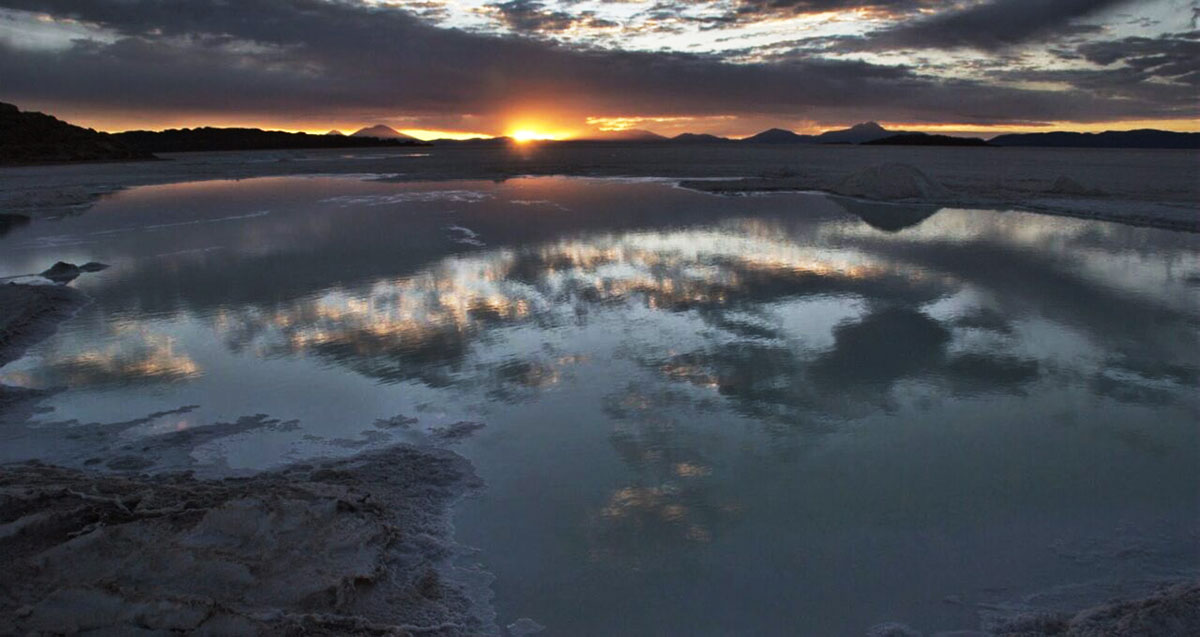
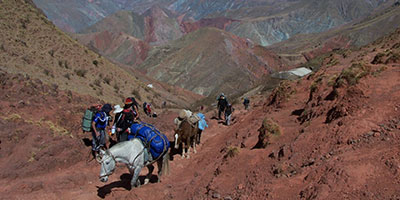
We start in Salta in northern Argentina. We explore this stunning part of the country, passing colourful cultures and rock formations including Purmamarca, a rainbow mountain of seven colours.
Towns such as Humahuaca – with frequent street music – Tilcara, Uquía and Purmamarca thrive among the amazing multi-coloured mountains, salt plans and lakes.
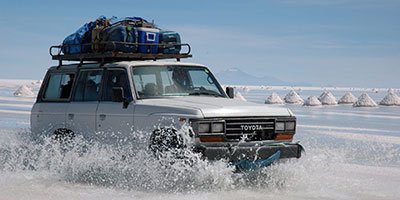
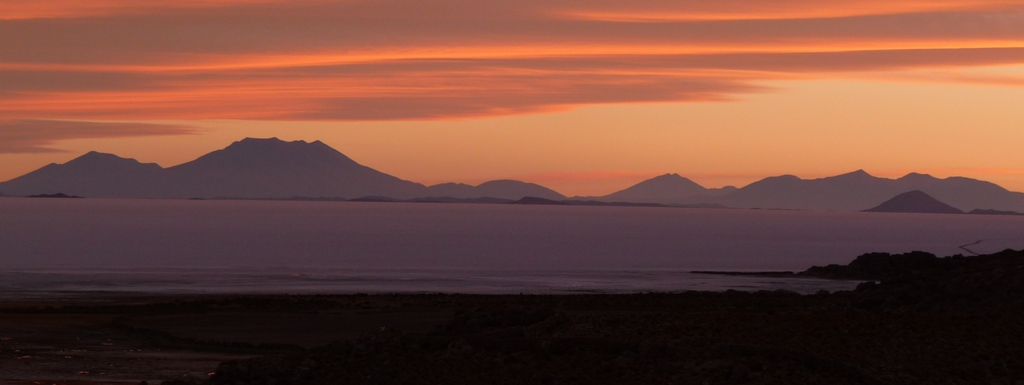
Next, it’s Bolivia – Uyuni and its famous alt lakes and volcanoes. From Uyuni, we head out into the vast southern desert to enjoy the starkly beautiful landscapes of this dramatic desert wilderness.
Lakes that change colour, geysers and bizarre rock formations are just some of the highlights of this enormous salt plain.
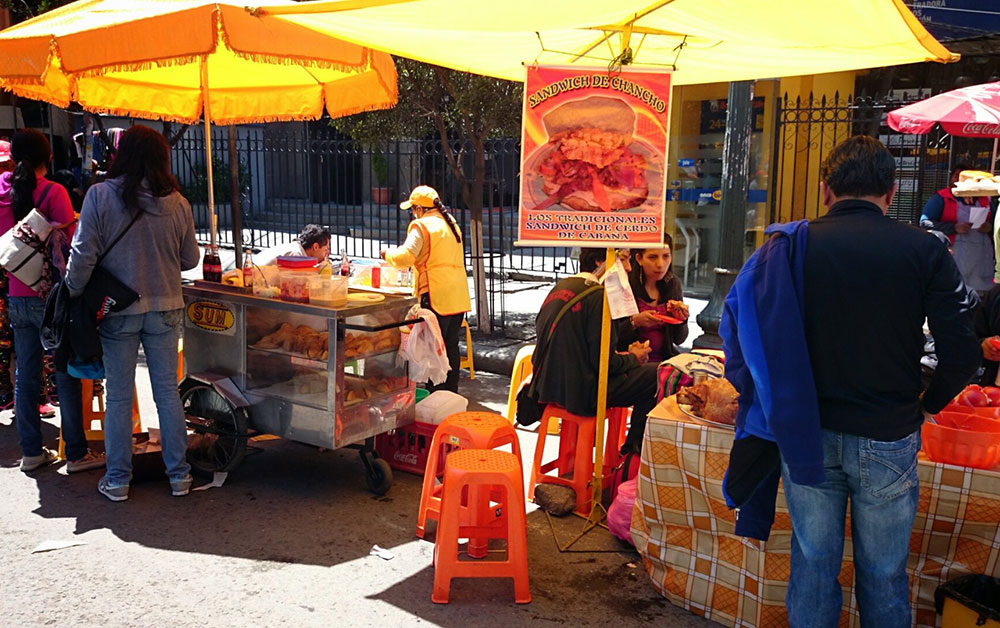
From here, it’s to Chile and San Pedro de Atacama desert.
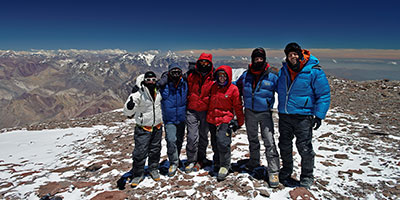
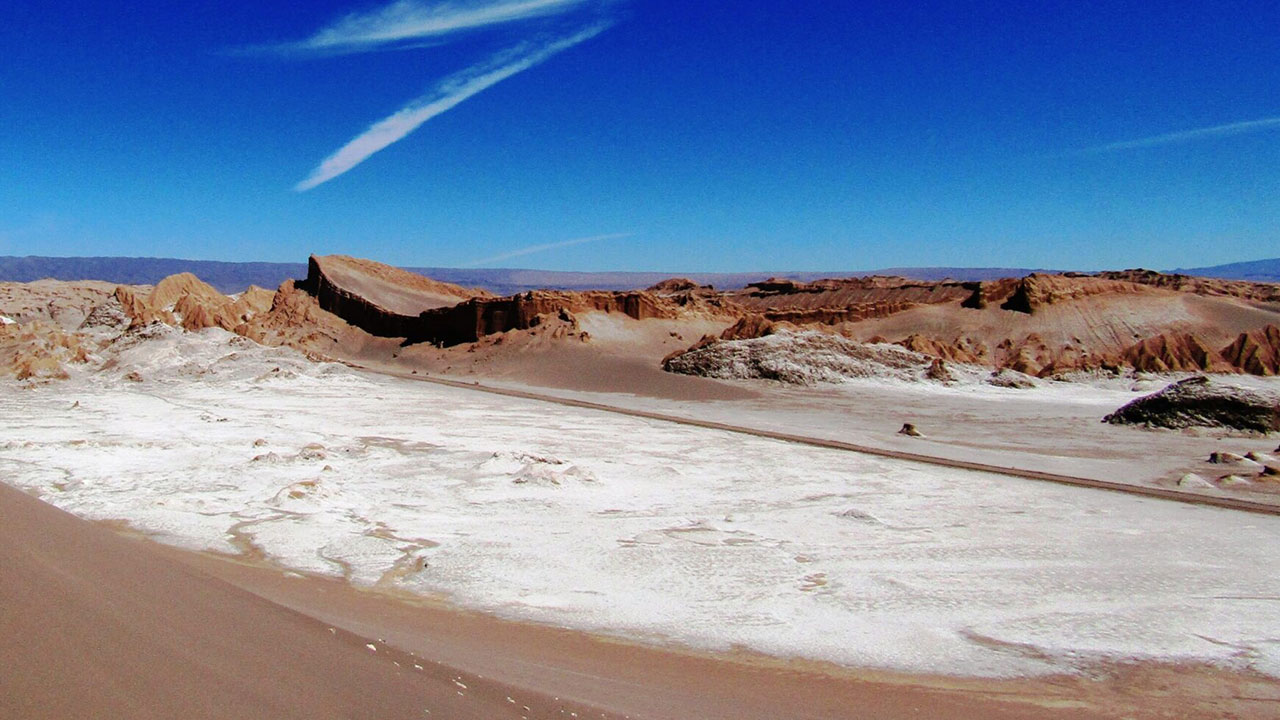
One day you are floating around in the salty Laguna Cejar, the next, gazing at the awesome scenery from atop an Andean peak.
Argentina’s neighbours are Bolivia, Brazil, and Paraguay to the north, Uruguay to the north east and Chile to the west. In the east Argentina has a long South Atlantic Ocean coastline.
The central region of Argentina is the rich plain known as La Pampa.
There is jungle in the extreme northeast while the southern half of Argentina is dominated by the flat to rolling plateau of Patagonia.
The western border with Chile is along the rugged Andes mountains, including Aconcagua, the highest mountain outside the Himalayas. Close to Aconcagua lies Mendoza, an area famed for its fine wine production.
The western Cuyo regions at the base of the Andes are mostly rocky desert.
Most Antarctic cruises embark and disembark in Ushuaia, at the tip of South America, allowing access to the South Pole, South Georgia and also the Falkland Islands.
Argentina is a land of contrast.
Nothing states this better than the fact it features the highest point in the South America, Aconcagua, and the lowest, Salinas Chicas, 40m below sea level.
Its vastness – it is the eighth largest country in the world – and diversity are just part of the appeal. A fantastic culture of fine wine and dining sits alongside its adventurous and beautiful landscapes.
The local’s cheery disposition and fantastic word plays add to the enjoyment of being in this fascinating country.
The name Argentina derives from argentinos, the Ancient Greek diminutive (tinos) form for silver (argentos), which is what early Spanish explorers sought when they first reached the region in the sixteenth century.
There are distinct regions of Argentina, from the Andean culture of the North West to the rancho lifestyle of the plains of Patagonia to the eternally seductive Buenos Aires.
Good kit is vital for every trip.
Book with Andean Trails and get 15% off Páramo’s fantastic ethical and high performance outdoor gear.
Argentina is the eighth largest country in the world, and has a myriad of climates from humid tropics to bracingly cold Patagonia.
When planning for these changeable climatic conditions you will encounter across Argentina, layering is the most practical and versatile clothing system.
The sun is very strong throughout the country, so good sun cream, a hat and sunglasses are vital. Summer in the north of the country means t-shirts and shorts.
It can also get very cold at night time especially in the mountains. Jumpers, fleeces and warms hats – which you can buy there – are also essential.
Give plenty of thought to kit selection, and try to keep weight down.
Below is a more detailed guide.
Argentina’s seasons are the reverse to the northern hemisphere, with summer running from October to March, and winter from May to September.
Buenos Aires and the Pampas in the north are temperate; cold in the winter, 5-15°C, and hot and humid in the summer, 17-27°C, the warmest and most humid being December to February. Spring and Autumn are lovely times to visit Buenos Aires.
The best time to visit Iguazu Falls is from January to March – the rainy season, this is when water flow of the waterfall is greatest, but the waterfall is amazing at any time of year. The hottest months in Iguazu Falls are October through April with lows of 20°C and highs of 32°C. Winter sees this fall to highs of 22°C and occasional lows of 12°C, with cooler nights. Being tropical and humid, there is always the chance of rain in Iguazu.
Bariloche is nestled in Argentina’s Lake District and is built next to the cold water Lake Nahuel Huapi. During the summer, daylight extends from 6am to 10pm and temperatures fluctuate from 5-20°C, the warm days making for ideal conditions for exploration. In the winter, snow abounds for skiers and daylight is from 9am to 7pm, city temps varying from just above to just below freezing, with much cooler temperatures in the mountains.
The rain-shadow effect in Bariloche means weather conditions are relatively dry and stable. Summer rainfall in the town of Bariloche is low (average 5 days precipitation a month).
A breathtaking off-the-beaten-track journey through Bolivia’s Sajama, filled with wildlife, hot springs, and Andean majesty.
A fascinating and well-organised journey through Bolivia’s diverse landscapes, with knowledgeable guides, smooth logistics, and unforgettable highlights including Sajama and the spectacular salt flats.