Since 1998, we've crafted journeys using knowledge gained on our own explorations of South America's spectacular wilderness, fascinating cultures and diverse wildlife.

Bring a sense of adventure and an open mind. We'll take care of the logistics and support you round the clock.

We only work with small, locally owned operators and guides. Your money stays where you travel, and a share of every trip supports local communities and the wild places they protect.

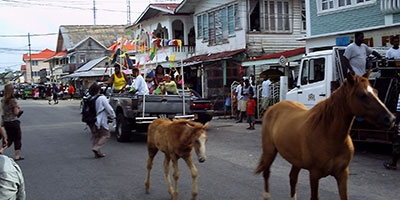
Georgetown, the Atlantic gateway to Guyana, is known as the Garden City and blends cultures with 19th-century wooden colonial architecture.
This former British colony draws influences from Amerindians, Asia, Brazil, and more, making it a lively, welcoming destination.
The Natural History Museum is well worth a visit, as well as the world’s largest wooden cathedral and the thrumming Stabroek market.
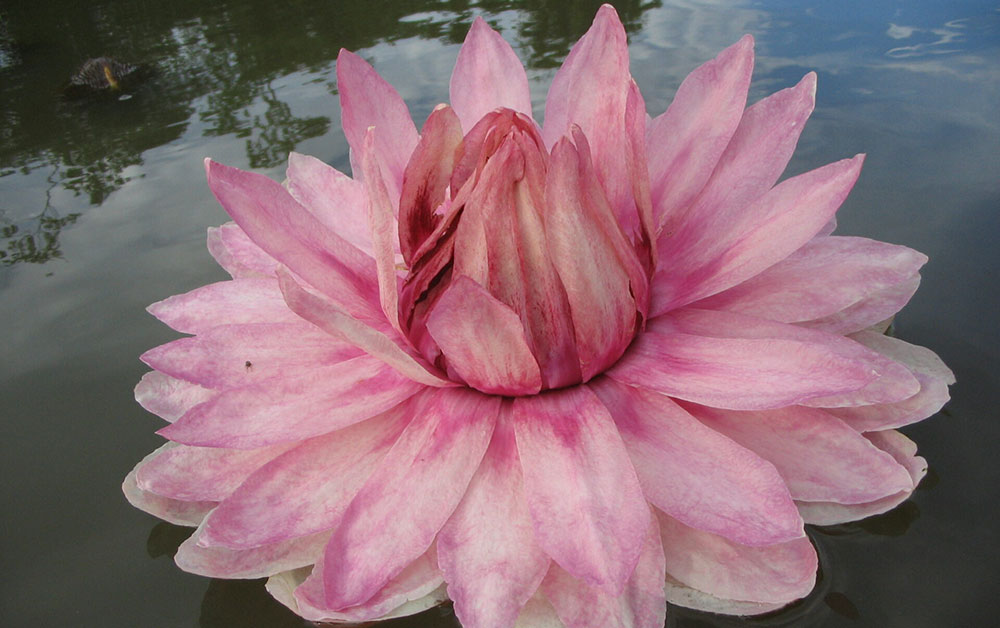
Guyana Botanical Gardens feature giant Victoria Amazonica water lilies and local wildlife.
English is widely spoken, and friendly locals are usually up for a chat about Georgetown’s unique atmosphere.

It’s easy to see how Conan Doyle’s Lost World novel drew inspiration from his reading about Guyana’s tepuis, the famous tabletop mountains.
From the savannah linking Guyana’s western front to Venezuela, the Tepuys of Roraima rise dramatically.
They provide unique eco-zones for many species, and their lunar-like surfaces are home to species found nowhere else on Earth.
Waterfalls, rapids, and rainforest crisscross the Tepuys’ faces and sections, making Mount Roraima one of the most acclaimed sights in South America.

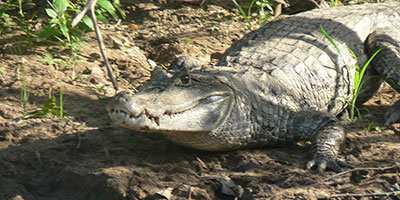
You’ll need to stay quiet in your kayak as you help researchers from Caiman House search for and tag black caiman at night.
By staying here, you’ll get an inside look at the work of those protecting this endangered species.
You can help collect data on any captured caiman—some reaching up to 12 feet in length—before they are released back into the wild.
Caiman House is a once-in-a-lifetime, thrilling stop on any tour of Guyana, especially for wildlife enthusiasts who can also spot snakes, frogs, bird spiders, and much more.

Deep in Guyana’s enormous rainforest lies Iwokrama, a one-million-acre wilderness full of wildlife and one of the country’s premier scientific and ecotourism hubs.
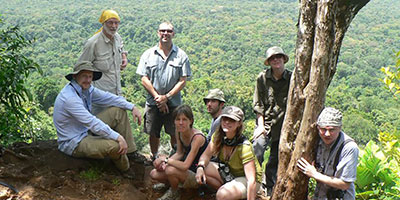
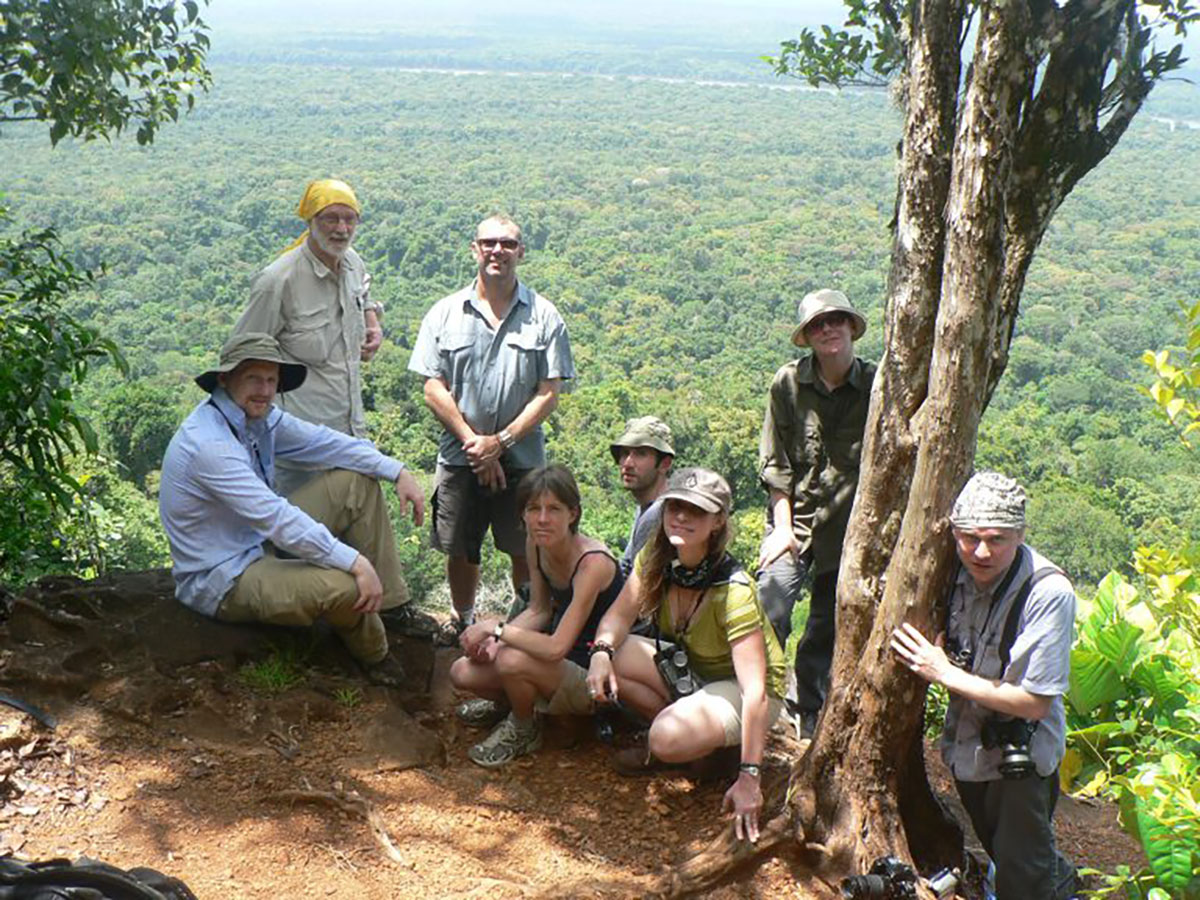
Birds, tree frogs, and the elusive puma live in the forests, and you can enjoy the verdant canopy from the Turtle Mountain vantage point.
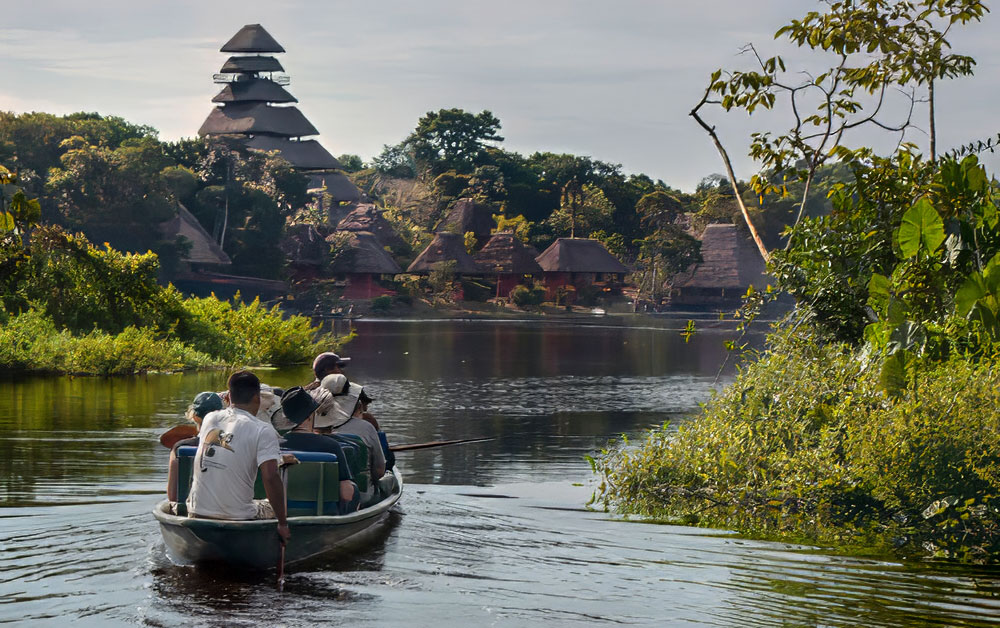
Iwokrama features river lodges, guided nature walks, boat excursions on the Essequibo River, and canopy walkways that get you close to wildlife.
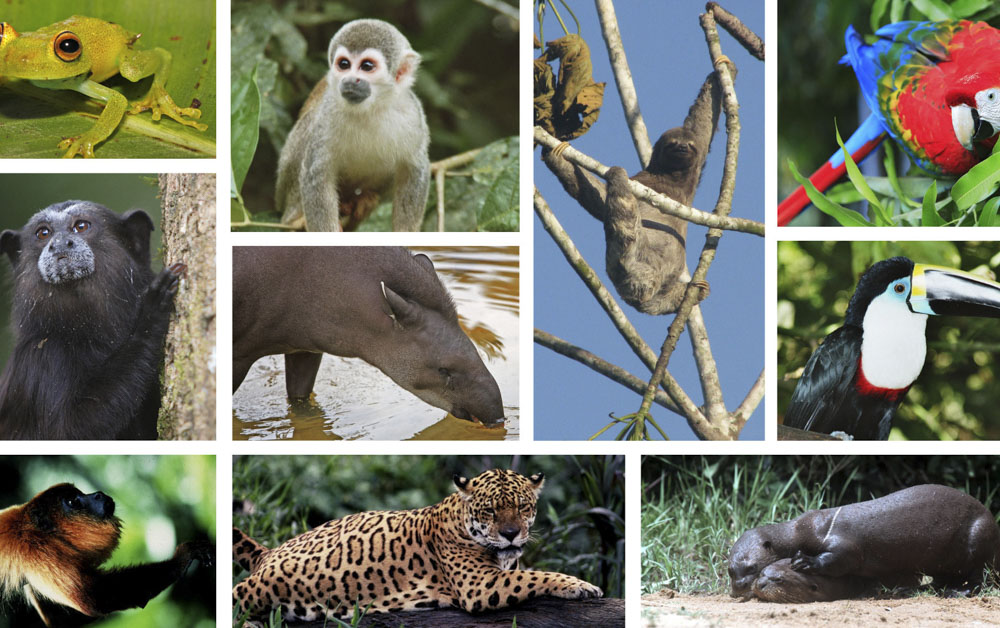
This high-biodiversity transition zone supports many of Guyana’s iconic species: jaguars, harpy eagles, giant river otters, and hundreds of bird and fish species.
The area is protected and upholds its conservation ethos with full involvement from local people.
You can see human history in Amerindian petroglyphs near some local rivers. They offer a fascinating insight into how animals and humans have coexisted for centuries in this pristine rainforest.

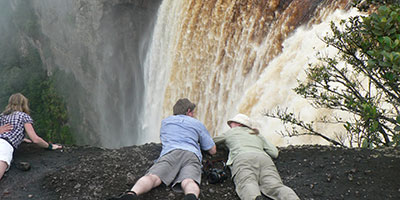
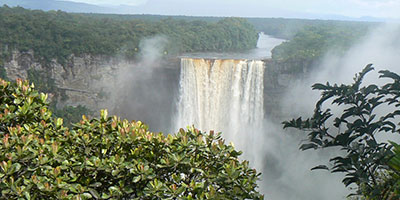
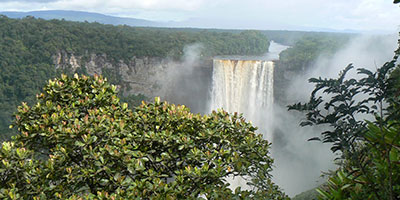
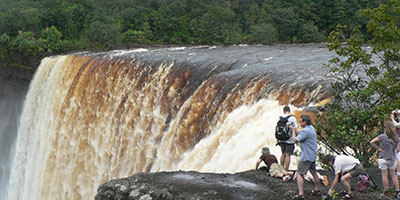
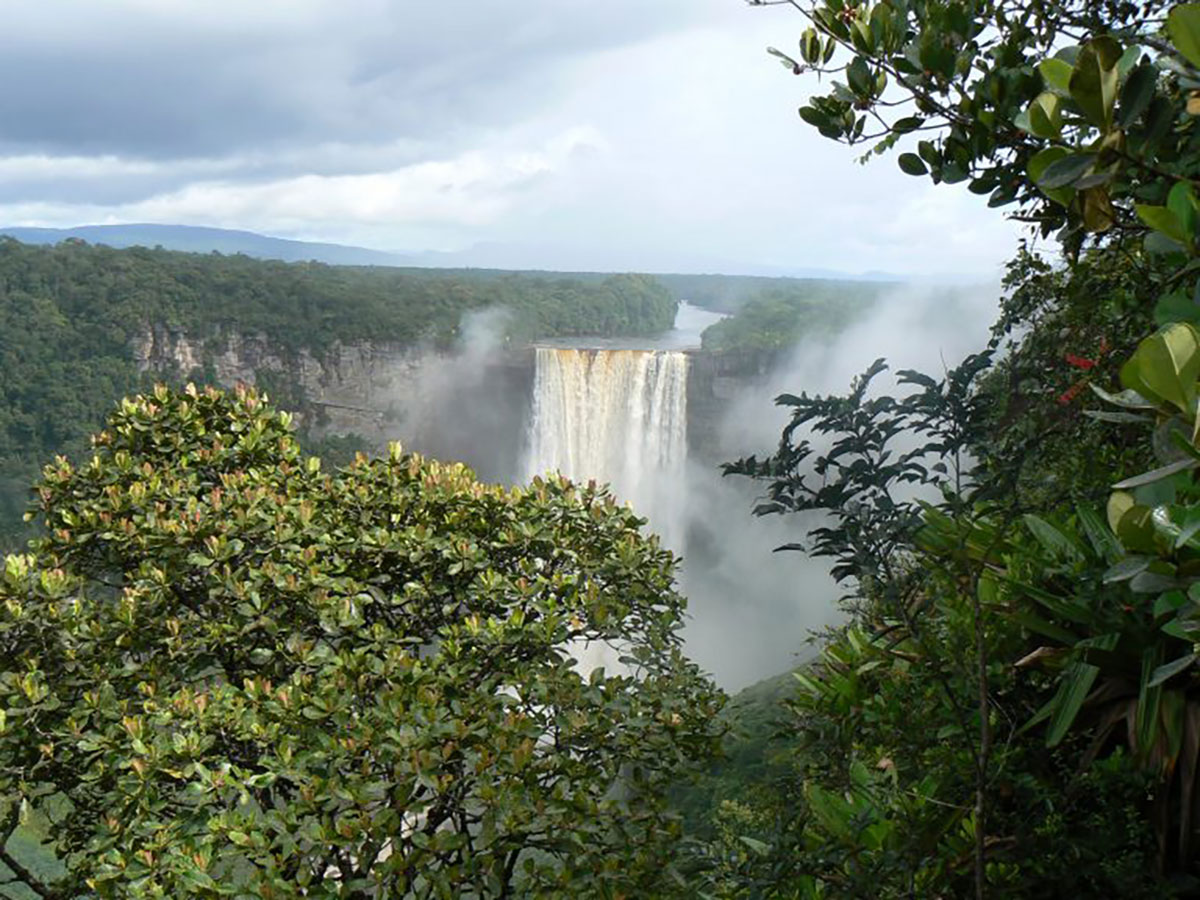
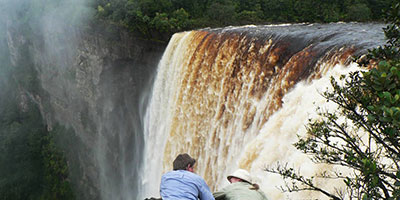
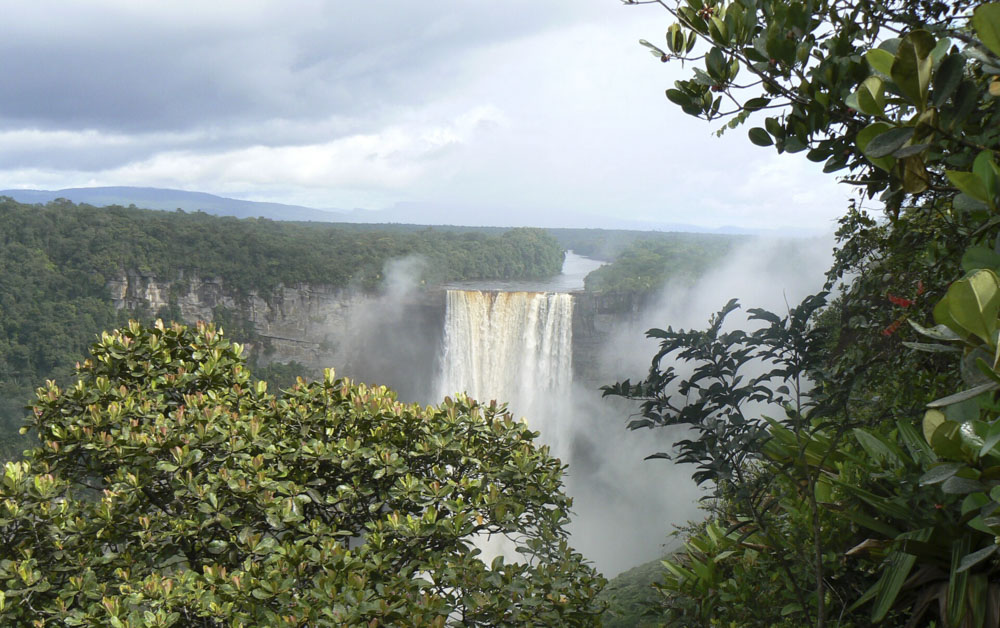
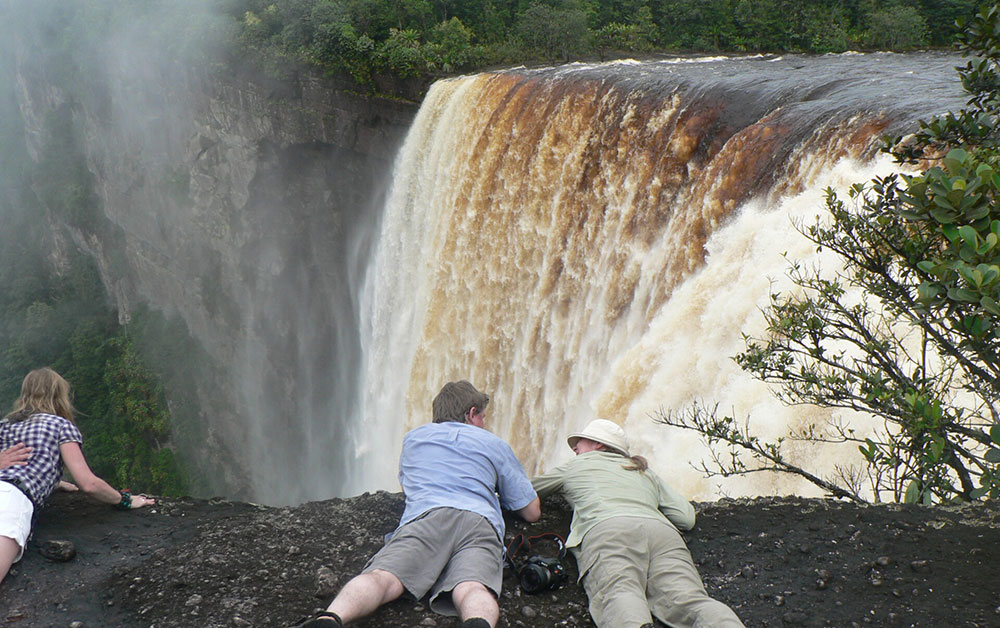
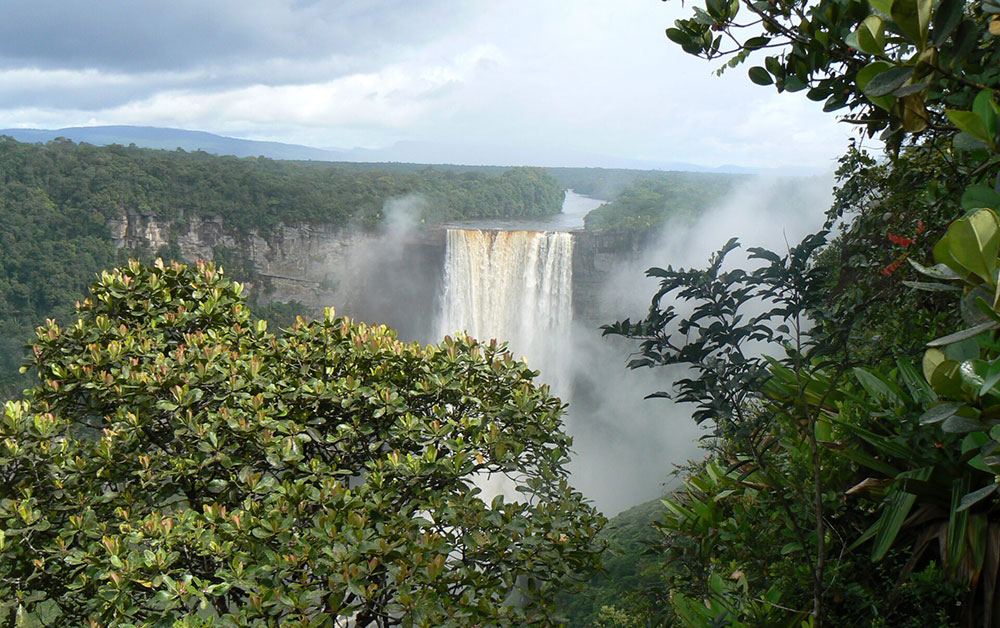
From above the jungle canopy, the view confirms that no other cascade in the world has the sheer drop of Kaieteur Falls.
These are serious waterfalls, measuring about 4 to 5 times the height of Niagara Falls and twice that of Victoria Falls. Water flows at an average of 663 cubic meters per second (23,400 cubic feet per second).
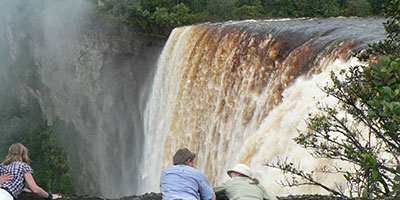
Plus, you can walk right up to the flowing water, which gushes 822 feet into a deep, forested gorge. Your group will likely be the only souls in this remote location, adding to its incredible appeal.
You’ll need good eyes to spot Kaieteur’s golden frogs, unique to a tiny area surrounding the Falls. They live in the water-filled leaf cups of bromeliads and measure 1-2cm maximum, making them really hard to find.

Famous for rescuing orphaned giant river otters, Karanambu also embodies the spirit of old-world travel.
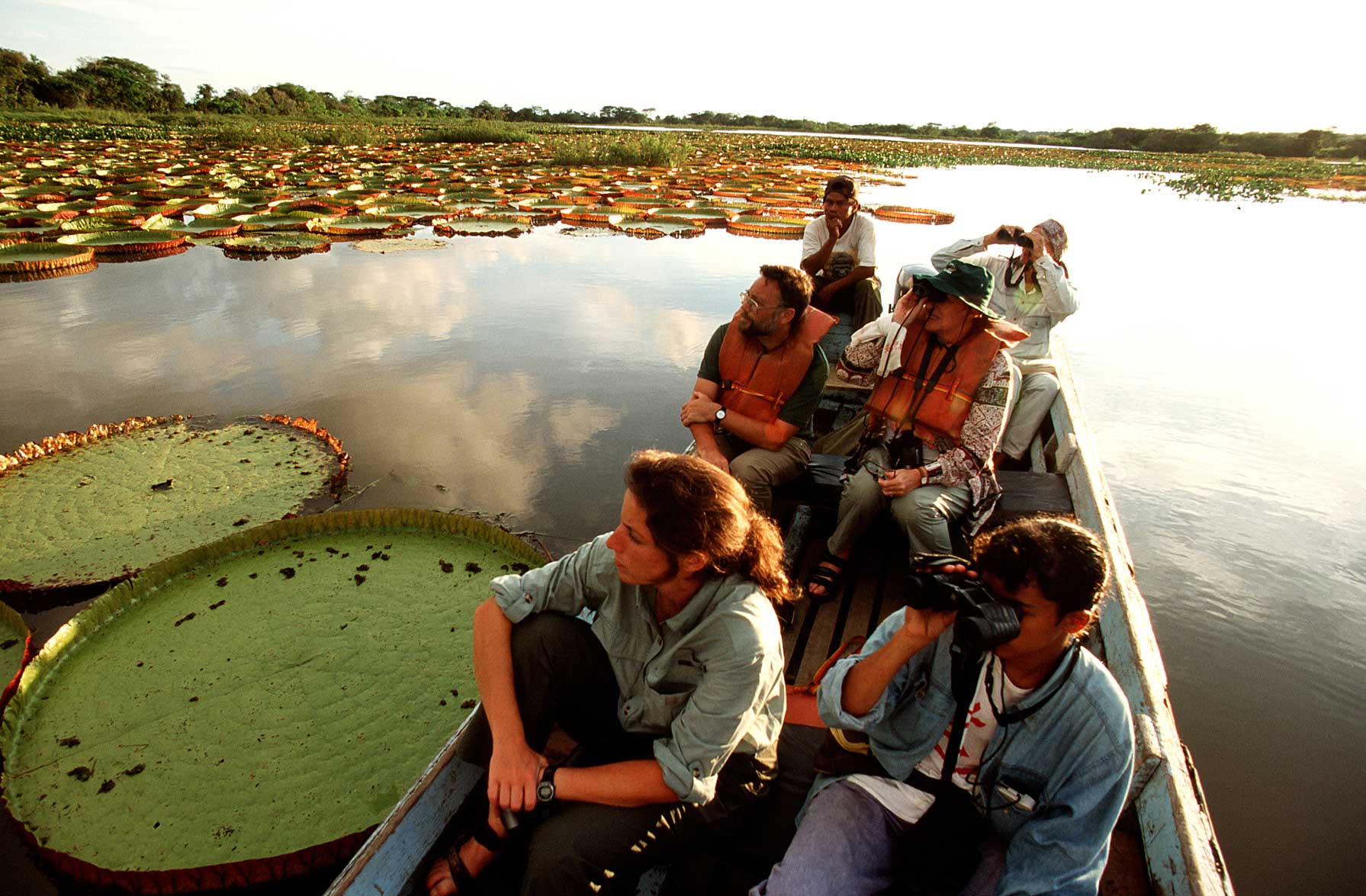
An outpost miles from civilisation, it offers a warm welcome and excellent wildlife viewing. Spend a few days here, and you may spot some of the region’s most endangered species: giant river otter, black caiman, and the majestically bushy giant anteater.
River cruises to see the giant Victoria Regis water lily bloom at dusk are a must.
Karanambu Ranch continues the work of Diane McTurk, whose family originally founded the area as a cattle ranch in 1927. Now, Karanambu is a historic site and one of Guyana’s most important conservation hubs.

Climb into the trees like monkeys at Atta Lodge for up-close, personal wildlife viewing.
The main attraction is a 154m/505ft canopy walkway with four platforms, some up to 30m into the canopy.
An array of birds and animals you struggle to see from the forest floor soon zoom into view.
Among them are endangered and protected species such as the jaguar, the bulletwood tree, greenheart, and the waramadan (endemic to Guyana’s Iwokrama Forest).
The lodge offers comfortable accommodation with 8 private rooms, three home-cooked meals per day, and ample opportunities to explore the surrounding rainforest on foot, by canoe, or by 4X4.
From: $9690 per person
Duration

Guyana is a truly unspoilt and relatively undiscovered paradise, perfect for those with an adventurous spirit. Tours to Guyana can include exploring pristine rainforest or breathtaking savannah bristling with wildlife. The country also boasts untouched Atlantic beaches and a staggering mountain range to the west.

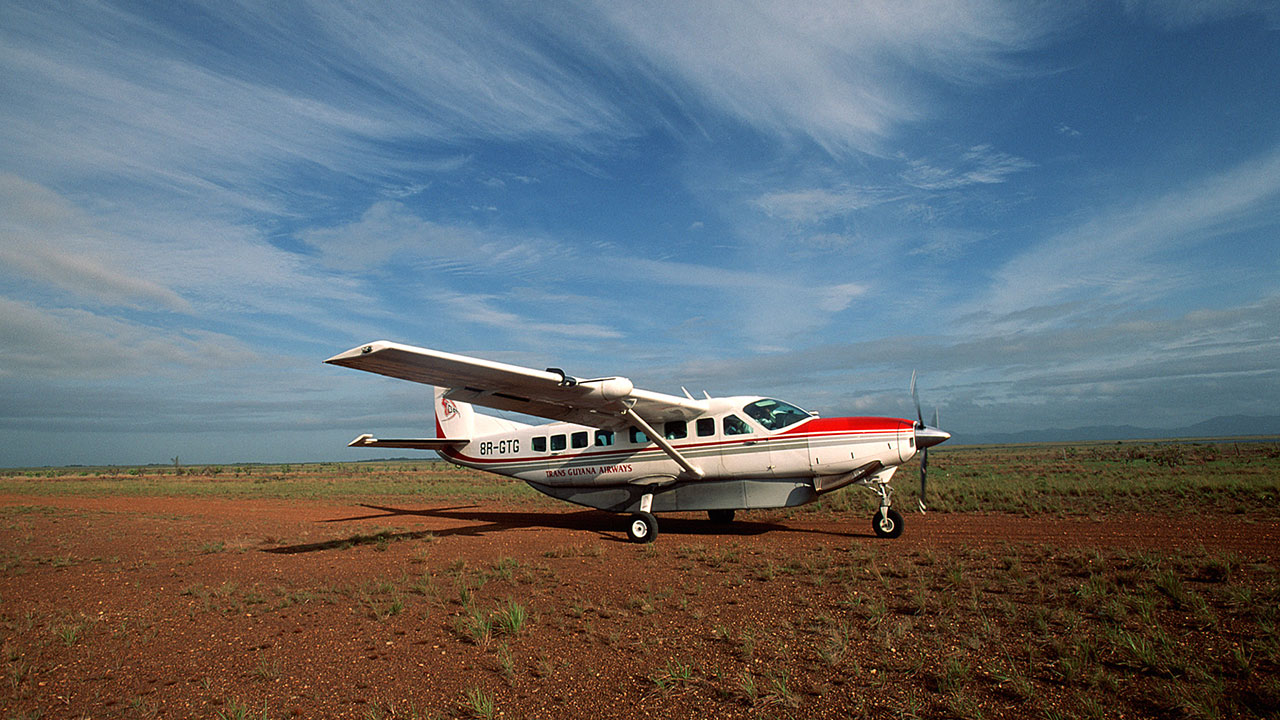
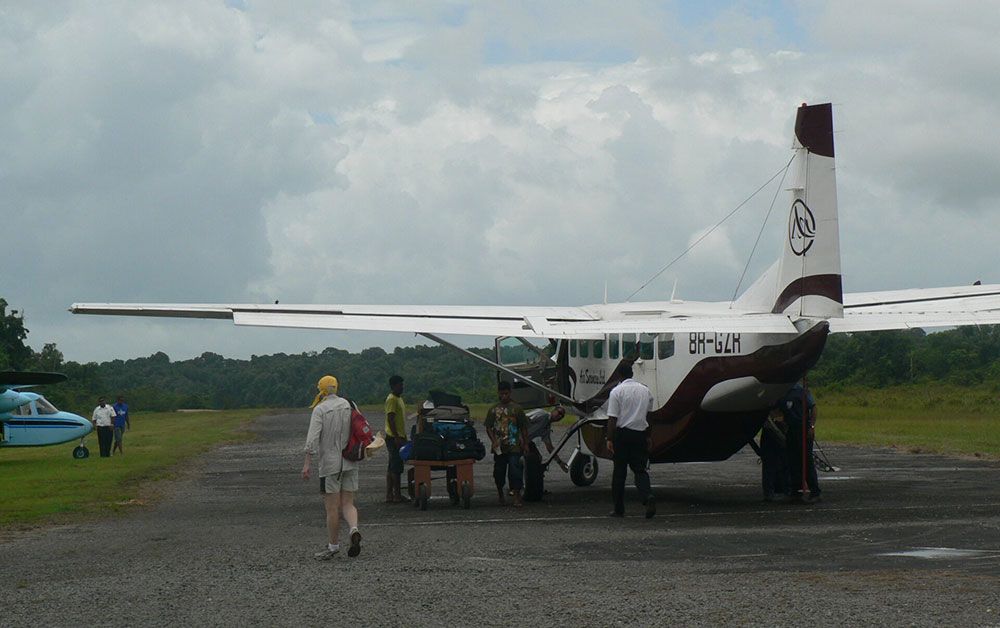
Guyana’s rainforest and savannah are the main draw for the visitor. There are few roads and most journeys are on foot, by boat or small light aircraft. Rustic and remote lodges will serve as a base from which to explore the incredible nature and wildlife. Some will be accessed by boat others by land. Some will be in the middle of the rainforest, others on the plains of the savannah. However, there’s always a big Guyanese welcome awaiting you at the remote eco-lodges and wilderness camps.

Guyana is a paradise for those wildlife and bird enthusiast who want to see the fauna in its natural habitat. One can never guarantee a sighting, but the chances are always good on a Guyana wildlife tour. The Iwokrama rainforest is one of the best places in the world to spot the Jaguar, king of the jungle. The Harpy Eagle, much prized by bird spotters, might be seen in the Kanuku and Iwokrama mountains. And those who visit the Rupununi savannah or Iwokrama rainforest may well spot the Giant Anteater.
The rivers, as well as abundant birdlife, may delight with sightings of Giant River Otters or Black Caiman. The rivers are also home to the Arapaima, the world’s largest scaled freshwater fish.
Whatever your interest in wildlife your Guyana tour will certainly deliver.

If you have a sense of adventure and are willing to visit a destination that is well off the beaten path, then a Guyana holiday might be what you are looking for. Some of the highlights to look at including in your Guyana tour are:
Read more about Guyana’s weather and eco-tourism in our blogs.
A superbly organized journey showcasing Andean Trails’ consistent excellence, reliability, and seamless travel experiences.
A beautifully organised wildlife and cultural adventure through Guyana’s untouched natural landscapes and welcoming communities.
Be prepared for your dream holiday to Guyana with our helpful information.
From money advice to visas, from inoculations to which plugs to take, below you’ll find a wide range of travel tips, advice and information that will help you get ready to explore Guyana.
Can’t find what you’re looking for?
Get in touch and we’ll be happy to help.
The international code for Guyana is +592.
There are no regional codes in Guyana.
Free Wi-Fi can be found in Georgetown – hotels, restaurants etc. There are also internet cafes available.
Andean Trails can book all your international and domestic flights for this trip and for UK passengers; we have full ATOL bonding and can book flights with most airlines.
International flight prices are variable and usually can only be guaranteed at the time of booking. If you would like to upgrade to business or first class, or even arrive at an earlier date/depart at a later date we can also arrange this for you.
Typically, you fly to a country’s capital city and then overnight there or make a connecting flight (if available) to your next destination.
Please contact us for flight advice especially if you do make a connection on the same day. It is important to purchase a through ticket and not separate tickets for connections, so that you are covered for any delays. Passengers with separate tickets that are delayed run the risk of having to buy an entirely new ticket to continue their journeys.
Please note all airline schedules are subject to change and are out of our control.
Almost all flight tickets are now e-tickets. Any that are not will be handed to you on arrival in South America – this is most common for flights on smaller planes in Amazon areas such as Guyana/Bolivia.
The final travel instructions we send you some 2-3 weeks before departure will list the latest flight times, flight numbers etc as well as list your e-ticket numbers and booking reference code (6 characters i.e. GB75RK). This is what you will need to check in with.
Depending on the airline, we can reserve some seats for you at the time of booking your international flights with us.
If we cannot reserve seats at the time of booking, you have to wait for online check in to open (usually 24-72 hours before departure).
To check in online you will need to go to the website of the airline you are travelling with, and have your e-ticket number/booking reference to hand. Click check in online, enter your details, and choose your seat.
Some flights will allocate seats at the check in desk at the airport and some may not allocate seats at all.
The United States (USA) has an Electronic System for Travel Authorization (ESTA) which all travellers to and via the USA must complete BEFORE travel to/via its airports and shores.
More information can be found on their ESTA website.
Passengers who have not completed the form will be denied boarding.
Before you begin this application, make sure that you have a valid passport and credit card available.
This application will only accept the following credit cards: MasterCard, VISA, American Express, and Discover (JCB, Diners Club).

| Starters | |
|---|---|
| Foo-foo | Deep fried plantain cakes. |
| Split pea soup | Pea-based soup with bacon strips, split peas, animal fat, chicken stock, yams, peppers and eddoes. |
| Guyanese style rice | Local take on Chinese fried rice. |
| Roti | Unleavened flatbread made with flour, rolled thin and cooked on a tava. |
| Metem | Thick soup made with cassava, sweet potato, eddoe and plantains in a coconut milk broth. |
| Mains | |
| Metagee | Yam, plantain, breadfruit, cassava and salted meat or fish in creamy coconut milk with tomatoes, palm oil, chilli, garlic and onions. |
| Pepperpot | Meat stew with cassava extract and hot pepper sauce. |
| Cookup rice | One-pot meal with rice and peas or beans cooked in coconut milk, often served with meat. |
| Channa | Chickpeas cooked with onions and peppers. |
| Chow mein | Guyanese version of the Chinese noodle dish. |
| Desserts | |
| Salara (Red cake) | Coconut Swiss-style roll. |
| Pone | Cassava and coconut squares. |
| Sawine | Vermicelli and dried fruits cooked in milk flavoured with cinnamon, nutmeg and spices. |
| Pine tart | Pastry filled with pineapple jam. |
| Fat top | Coconut milk layer on top of cornmeal cake. |
| Drinks | |
| Banks | Locally produced cask and bottled lager. |
| Papaw milkshake | Papaya milkshake. |
| Mauby | Bark-based fruity and spicy root beer. |
| Pineapple wine | Fermented pineapple with mace, sugar and dried fruit. |
| Peanut punch | Peanut butter, milk and sugar blended into a thick drink. |
Guyana has five natural habitats to discover, the most famous of which is is its dense rain forest.
This ‘jungle’ is also known as the Forested Highland Region and is in the south of the country, and is very sparsely populated.
The majority (around 90%) of Guyana’s population lives in a marshy plain on the Atlantic coast, known as the low coastal plain.
Most of the country’s mineral deposits (bauxite, gold, diamonds) are found a little further inshore in that is called the white sand belt.
The south west of the country gives way to a desert savannah which then becomes an interior savannah.
From here, the grasslands and mountains of the interior highlands start to rise towards the borders with Brazil and Venezuela.
This is the largest of Guyana’s geographical areas and consists a series of plateaus, flat-topped mountains, and savannahs.
The Pakaraima Mountains dominate the western part of the interior highlands and include Mount Roraima, Guyana’s highest peak at 2,772m (9,094 ft) on the Venezuelan border.
The largest expanse of grassland, the Rupununi Savannah, covers about 15,000 square kilometres in southern Guyana.
Guyana has three large rivers, the Essequibo at 1,010km(628 miles), the Courantyne River (which forms a natural border with Suriname) at 724kms (450 miles), and the Berbice – 595kms (370 miles).
Festival: Mashramani / Republic Day
Music and arts competitions with float parade in Georgetown.
Location: Georgetown and nationwide.
Festival: Phagwah
A Hindu spring festival of colour celebrated by all Guyanese using water and powders in a rainbow of colours.
Location: Countrywide.
Festival: Easter Monday
Traditional day for family picnics where the skies are filled with hundreds of kites symbolising the rising of Christ. The Easter weekend is also the time for the annual Rupununi Rodeo.
Location: Countrywide.
Festival: Virgen de los Treinta y Tres
Emancipation Day commemorates the abolition of slavery in Guyana in 1834. An annual festival is held in the National Park in Georgetown where you can learn about traditional African music, art, food, dancing and games, with a focus on the history of emancipation.
Location: Georgetown.
Festival: Diwali
Diwali is the Hindu Festival of Light, symbolising the triumph of good over evil. It is celebrated for two nights with a grand lighted motorcade in Georgetown on the first night and the lighting of hundreds of diyas on the second night.
Location: Countrywide.
Guyana is the only English-speaking country on the South American continent and has a Caribbean feel.
It is a destination for the nature lover looking for an off-the-beaten-path destination with many attractions. Guyana offers pristine rainforest, abundant wildlife, jaguars and the mighty Kaieteur Falls.
Start your adventure in the melting pot that is the country’s capital – Georgetown. Here Hindu, Muslim and Christian cultures blend in harmony.
Head off to visit the breathtaking Kaieteur Falls – the world’s highest single-drop waterfall.
Then the interior beckons. Jungle and Savannah await. With luck you might spot the Cock o’ the rock or a harpy eagle.
Bigger mammals such as the ant eater might surprise you or if incredibly lucky the mighty jaguar. Travel by road or river and stay in rustic but comfortable lodges – all with an authentic Guyanese welcome.
Guyana will be an unforgettable adventure.
Guyana’s monetary unit is the “Guyanese Dollar”.
Most of your transactions will be in Guyanese dollars, especially in the interior, but US dollars and GBP sterling (English notes only) are often accepted, too. Make sure they small denomination, unmarked and undamaged bills. Try to take 5s, 10s and 20s.
It’s best to take cash into the country to change because while a credit card may help in an emergency, you cannot count on using it for most purchases.
ATM debit/credit cards can sometimes be used in Georgetown’s hotels and restaurants (with fees), but not in the interior.
Georgetown also has some ATM (‘hole-in-the-wall’) machines but not all accept foreign cards and there are no ATMs in the interior.
Cash can be exchanged in hotels, banks and cambios (businesses that specialise in exchanging). Cambios normally offer the best exchange rate. Ask your tour leader for help in finding the best cambios to use.
Ask for small notes as obtaining change outside towns and cities can be difficult. Count your Guyanese dollars carefully before handing over your US dollars/sterling, and look out for forged notes.
Click here for the current exchange rate.
Guyanese banknotes: 20, 100, 500, 1,000 dollars
Guyanese coins: 1, 5, 10 dollars
Guyana’s diverse population is reflected in its very varied cuisine.
When in the interior, you will eat at lodges as there are no other options. Georgetown offers a variety of eateries.
Beer/soft drink: USD 2
Lunch: USD 8-12
Coffee: USD 2
Beer/soft drink: USD 3-5
Main dish: USD 15 upwards
Coffee: USD 2
Guyana uses 127 volts, with a frequency of 60 Hz.
Most cameras, phones and computers are dual or multi voltage and probably won’t need a convertor – please check before leaving.
Some items you may bring, such as hairdryers, may need a convertor. They may short if you use them without the correct convertor.
Guyana mainly uses two-pin, flat-pronged Type A plugs, but you may also find Types B, D and G.


Most visits to Guyana are trouble-free, however, like anywhere you need to take precautions, especially in the capital of Georgetown.
We strongly suggest that everyone planning to travel to Guyana visits their local doctor/travel clinic prior to departure for the latest vaccination information.
British nationals do not need a visa for Guyana for stays of 30 days or less. Extensions can usually be obtained from the Ministry of Home Affairs in Georgetown.
The Guyanese authorities are very severe on visitors who overstay or abuse the conditions of their stay.
You will also need a valid passport with at least 6 months remaining validity.
Non UK residents please check with the Guyanese embassy or consulate in your country of residence.
Guyana is a hot and humid country. February and March are prime times to visit, along with Aug-Jan. Read our guide to Guyana’s weather for more.
The mean shade temperature is 27°C, while maximum is 31°C and the minimum is 24°C. The heat is greatly tempered by cooling breezes from the sea.
There are two wet seasons in the north of the country, from May to June, and from December to January.
The south and the Rupununi region receive one wet season from May to July.
All wet seasons may extend into months either side.
Rainfall averages 2,300 mm a year in Georgetown.